
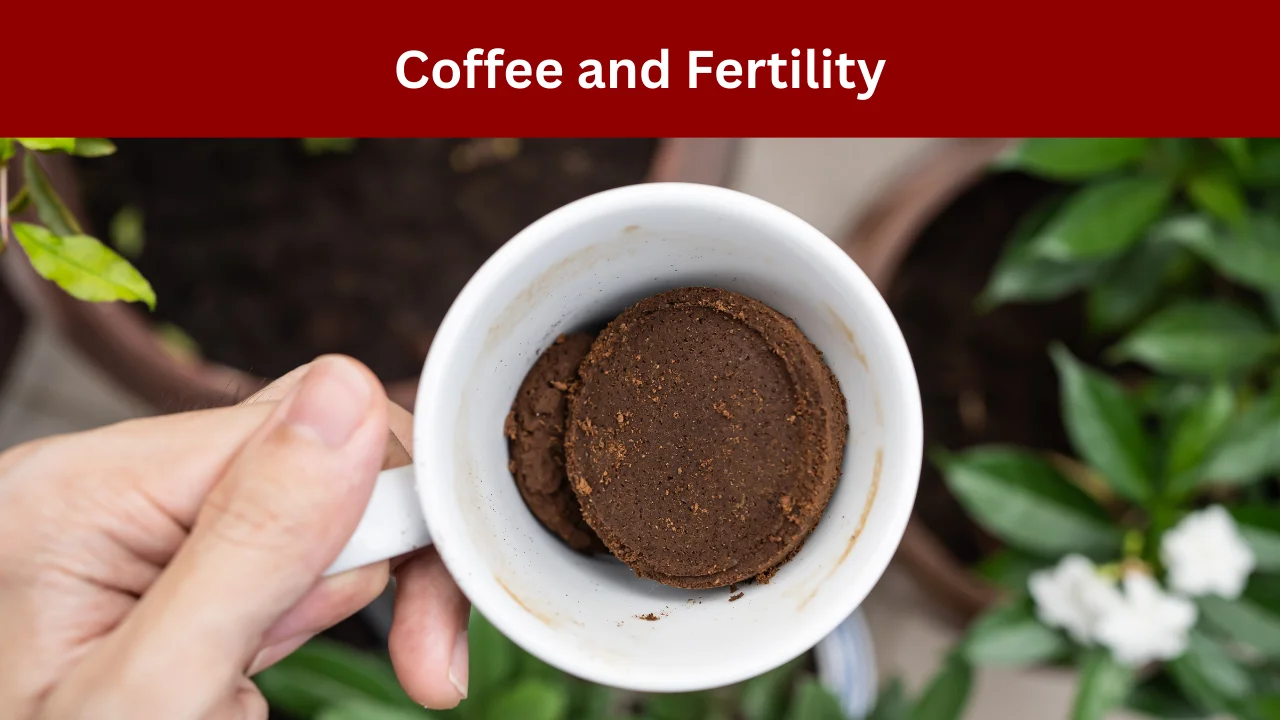
You’re sipping your morning coffee, savoring its rich aroma, but a question lingers: could this daily ritual affect your fertility? Whether you’re trying to conceive or just curious, the relationship between coffee and fertility is a hot topic. From caffeine’s impact on your body to using coffee grounds as fertilizer for your garden, this article dives deep into how coffee intersects with fertility in surprising ways. Let’s explore the science, myths, and practical tips to help you make informed choices.
Coffee and Human Fertility
Coffee is a daily staple for many, but its role in fertility sparks debate. Caffeine, the main active ingredient, can influence your reproductive health. Research shows mixed results, so let’s break it down. Understanding how coffee affects male and female fertility, and what you can do, is key to balancing your love for coffee with your family-planning goals.
Coffee and Female Fertility
Caffeine may affect ovulation and hormonal balance. Some studies suggest high caffeine intake (over 300 mg daily, about three cups) could delay conception. It might disrupt estrogen levels, impacting ovulation. However, moderate consumption (100-200 mg, one to two cups) seems safe for most women. If you’re trying to conceive, tracking your caffeine intake is wise.
In my experience, cutting back on coffee helped me feel more in tune with my body’s natural rhythms. Consider switching to decaf coffee and fertility-friendly options if you’re concerned. Always consult your doctor for personalized advice.
Coffee and Male Fertility
What about coffee and male fertility? Caffeine can influence sperm health, but the evidence is mixed. Some research links high caffeine intake to reduced sperm motility, while others find no significant impact at moderate levels. Green coffee bean and fertility studies are emerging, suggesting antioxidants in unroasted beans might support sperm health.
For men, sticking to one to two cups daily is generally considered safe. I learned the hard way that overloading on caffeine can mess with energy levels, which might not help in the bedroom. Moderation is key for coffee and men’s fertility.
Decaf Coffee and Fertility
Decaf coffee and fertility is a popular topic for those cutting back on caffeine. Decaffeinated coffee has minimal caffeine, making it a safer choice for fertility concerns. Organic decaf coffee and fertility studies show no negative effects on reproductive health, offering a guilt-free alternative.
Switching to decaf can ease your mind if you’re worried about caffeine’s impact. It’s a simple swap that lets you enjoy coffee’s flavor without the jitters. Decaf is especially helpful during fertility treatments, where minimizing caffeine is often recommended.
Coffee and Fertility Treatments
If you’re undergoing fertility treatments, coffee consumption and fertility becomes a bigger question. Caffeine can interact with medications used in IVF or other treatments, potentially affecting outcomes. Doctors often advise limiting caffeine to under 200 mg daily during these processes.
Here’s a tip I always give beginners: track your caffeine sources, including tea, soda, and chocolate, not just coffee. Small changes, like opting for decaffeinated coffee and male fertility support, can make a difference during treatments. Always follow your fertility specialist’s guidance.
Coffee Enemas and Fertility
Coffee enemas and fertility have gained attention in alternative health circles. Proponents claim they detox the liver, boosting fertility. However, no solid scientific evidence supports coffee enema and fertility benefits. In fact, they can pose risks like dehydration or infection if not done properly.
I’d caution against jumping into trends like this without consulting a professional. Focus on proven methods to support fertility, like a balanced diet and stress management, instead of unverified practices like coffee and lemon for fertility cleanses.
Caffeine Intake Recommendations
| Source | Caffeine (mg) | Fertility Impact |
|---|---|---|
| Brewed Coffee (8 oz) | 95-200 | Moderate use safe; high intake may delay conception |
| Decaf Coffee (8 oz) | 2-5 | Minimal impact; safe for fertility |
| Green Coffee Bean Extract | 20-50 | Possible antioxidant benefits for sperm health |
| Black Tea (8 oz) | 40-70 | Count toward daily caffeine limit |
| Energy Drinks (8 oz) | 80-100 | High intake may affect ovulation, sperm motility |
Coffee and Hormonal Health

Caffeine doesn’t just wake you up—it interacts with your hormones. Understanding these effects can help you make smart choices about coffee and fertility. Let’s look at how coffee influences key reproductive hormones and what that means for your journey to conceive.
Caffeine and Estrogen Levels
Estrogen plays a big role in female fertility. Some studies suggest caffeine may lower estrogen, potentially affecting ovulation. For women, this could mean irregular cycles if you’re drinking multiple cups daily. Coffee and female fertility studies recommend sticking to moderate amounts to avoid hormonal disruptions.
If you’re noticing cycle changes, try cutting back to one cup a day. Pairing coffee with a nutrient-rich diet can also support hormonal balance. It’s a small tweak with big potential.
Coffee and Sperm Health
For men, coffee and sperm fertility is a key concern. Caffeine might reduce sperm count or motility in heavy drinkers, but moderate intake (under 200 mg) shows little impact. Green coffee and male fertility research highlights antioxidants like chlorogenic acid, which may protect sperm from oxidative stress.
I’ve seen friends stress over their coffee habits when trying to conceive. My advice? Don’t sweat the morning latte, but avoid energy drinks or excessive espresso shots. Balance is everything when it comes to coffee and men’s fertility.
Stress and Caffeine Connection
Caffeine can spike cortisol, your stress hormone, which isn’t great for fertility. High stress can disrupt ovulation and lower sperm quality. If you’re juggling coffee and fertility women concerns, consider how your daily brew affects your mood and energy.
Switching to decaf or herbal teas can reduce cortisol spikes. I learned the hard way that too much coffee made me jittery, which didn’t help my stress levels when planning a family. A calm mind supports a fertile body.
Hormonal Effects of Coffee
| Hormone | Coffee’s Effect | Fertility Impact |
|---|---|---|
| Estrogen | May decrease with high intake | Possible ovulation disruption |
| Cortisol | Increases with caffeine | May reduce fertility via stress |
| Testosterone | Minimal impact at moderate levels | High intake may lower sperm quality |
| Progesterone | Limited data; possible reduction | Could affect pregnancy maintenance |
Coffee Grounds as Fertilizer
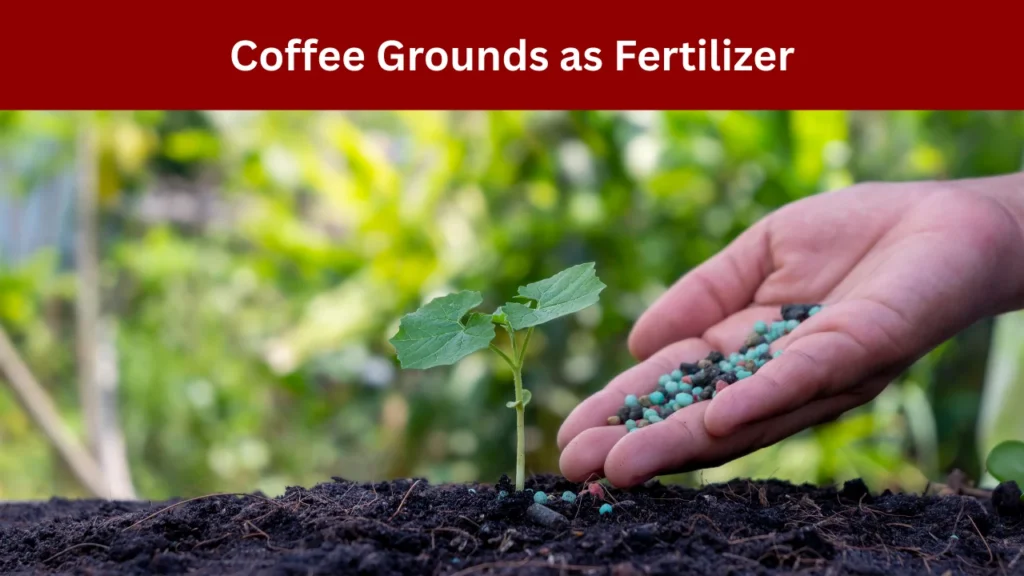
Beyond drinking, coffee grounds have a surprising role in fertility—not for humans, but for plants! Using coffee grounds and eggshells as fertilizer is a popular gardening hack. Let’s explore how this eco-friendly practice can boost your garden’s fertility and why it’s a great way to repurpose your morning brew.
Coffee Grounds for Plant Growth
Coffee grounds and eggshell fertilizer add nutrients like nitrogen and calcium to soil. They’re especially great for acid-loving plants like roses or tomatoes. Coffee grounds as fertilizer pros include improved soil structure and water retention. However, the cons are over-application, which can make soil too acidic.
Mix used coffee grounds with compost to avoid issues. I always sprinkle a thin layer around my plants—it’s like giving them a nutrient-packed hug. Your garden will thank you with vibrant blooms.
Eggshells and Coffee Synergy
Eggshells and coffee grounds as fertilizer work well together. Eggshells provide calcium, balancing the acidity of coffee grounds. This combo is perfect for fertilizing plants with coffee grounds and eggshells, especially for vegetables like cucumbers.
Here’s a tip I share with gardening friends: crush eggshells finely before mixing with coffee grounds. It helps nutrients release evenly. This natural fertilizer with coffee grounds is budget-friendly and sustainable, making your garden thrive.
Banana Peels and Coffee Boost
Adding banana peels to coffee and eggshell fertilizer creates a nutrient powerhouse. Banana peels add potassium, promoting strong roots and flowers. Coffee, banana, and eggshell fertilizer is ideal for flowering plants or fruit trees.
Mix equal parts crushed eggshells, coffee grounds, and chopped banana peels in your compost. I’ve used this mix in my backyard, and my roses have never looked better. It’s a simple way to recycle kitchen waste into garden gold.
How to Apply Coffee Fertilizer
Wondering how to use eggshells and coffee grounds as fertilizer? Start by collecting used grounds and cleaned, crushed eggshells. Mix them into compost or sprinkle directly around plants. Avoid piling grounds too thickly to prevent mold.
For a DIY mix, combine one part coffee grounds, one part eggshells, and one part banana peels. Spread lightly around plants every few weeks. This coffee grounds and eggshell fertilizer approach keeps your soil fertile and plants healthy.
DIY Coffee Grounds Fertilizer Recipe
| Ingredient | Amount | Benefit |
|---|---|---|
| Coffee Grounds | 1 cup | Adds nitrogen, improves soil structure |
| Crushed Eggshells | 1 cup | Provides calcium, balances soil pH |
| Banana Peels | 1 cup | Supplies potassium for root growth |
| Compost | 2 cups | Enhances nutrient absorption |
Myths and Misconceptions
Coffee and fertility are surrounded by myths. From coffee and lemon for fertility to coffee enemas, let’s clear up the confusion. Separating fact from fiction helps you focus on what really matters for your fertility journey.
Coffee and Lemon Fertility Myth
The idea of coffee and lemon for fertility has popped up online, claiming it boosts conception chances. No scientific evidence supports this. Lemon adds vitamin C, but it doesn’t directly enhance fertility. Coffee’s role is more about caffeine moderation than magical cures.
I’ve seen friends try trendy fertility hacks, only to be disappointed. Stick to proven methods like a balanced diet and regular check-ups instead of chasing unverified claims.
Coffee Enemas Debunked
Coffee enemas and fertility claims lack credible research. While some believe they detoxify the body, there’s no proof they improve fertility. Risks like irritation or infection outweigh potential benefits.
Focus on evidence-based fertility boosters, like reducing stress or eating nutrient-rich foods. I always tell folks to talk to their doctor before trying alternative remedies. It saves time and worry.
Decaf vs Regular Coffee
Some think decaf coffee and fertility have no connection, assuming it’s just placebo. While decaf has less caffeine, it still contains trace amounts. Decaffeinated coffee and male fertility studies show it’s a safer bet for those limiting caffeine.
Switching to organic decaf coffee and fertility-friendly habits can ease concerns. It’s a practical choice for enjoying coffee’s taste without overloading on caffeine.
Actionable Tips for Coffee Lovers
Balancing your coffee habit with fertility goals is doable. Here are five practical strategies to help you enjoy coffee while supporting your reproductive health:
- Limit Caffeine Intake: Stick to 100-200 mg daily (one to two cups) to minimize risks to ovulation or sperm health.
- Try Decaf Options: Switch to organic decaf coffee to enjoy the flavor without caffeine’s effects.
- Track All Caffeine Sources: Include tea, soda, and chocolate in your daily limit for better control.
- Use Coffee Grounds in Gardening: Repurpose grounds as fertilizer for acid-loving plants like roses or tomatoes.
- Consult Your Doctor: Get personalized advice, especially if you’re undergoing fertility treatments.
These tips make it easy to keep coffee in your life without compromising fertility.
FAQs
Does coffee reduce fertility in women?
Moderate coffee (1-2 cups daily) is unlikely to harm fertility. High intake (over 300 mg caffeine) may delay conception. Stick to moderation and consult your doctor.
Is decaf coffee safe for fertility?
Yes, decaf coffee has minimal caffeine, making it a safe choice for those trying to conceive. Organic decaf is a great option.
Can coffee grounds boost plant fertility?
Used coffee grounds add nitrogen to soil, benefiting acid-loving plants. Mix with eggshells and banana peels for a nutrient-rich fertilizer.
Do coffee enemas improve fertility?
No scientific evidence supports coffee enemas for fertility. They may pose risks like infection, so focus on proven fertility strategies.
Does green coffee bean extract help fertility?
Early studies suggest antioxidants in green coffee beans may support sperm health, but more research is needed. Consult a professional before using.
Can men drink coffee while trying to conceive?
Moderate coffee (1-2 cups daily) is generally safe for men. Excessive caffeine may affect sperm motility, so keep intake low.
Conclusion
Coffee and fertility is a complex topic, touching both human reproduction and gardening. For your body, moderate coffee consumption (1–2 cups daily) is usually safe, but high caffeine intake might affect ovulation or sperm health. As Dr. Max explains, decaf coffee and fertility-friendly habits are great options if you’re trying to conceive. In the garden, coffee grounds and eggshells as fertilizer can work wonders for plants. By understanding the science and applying practical tips, you can enjoy coffee without worry. Consult your doctor for personalized advice, and keep your garden thriving with eco-friendly fertilizer hacks.

Dr. Max is a dedicated medical professional with extensive experience in health and wellness. His approach blends clinical expertise with the latest research, offering practical insights to help individuals lead healthier, more balanced lives.