
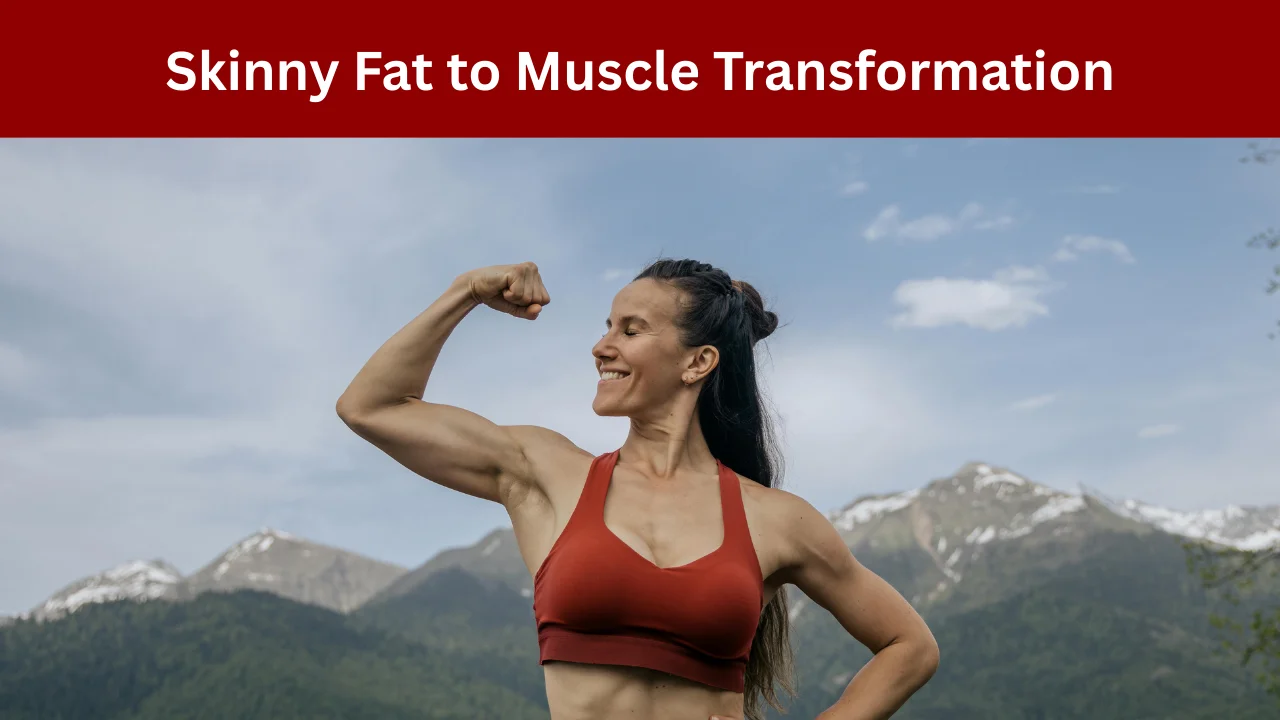
Do you ever feel like a walking contradiction? You might look slim in your clothes, and your number on the scale might even be in the “healthy” range. But when you look in the mirror, you see a soft, undefined physique with a bit of stubborn belly fat and very little muscle tone. If this sounds familiar, you’re likely dealing with the common and frustrating “skinny fat” body type.
This experience can be confusing. You’re not overweight, but you’re not fit either. It feels like you’re stuck in the middle, unsure of what to do next. The good news is that you are not stuck. A complete skinny fat to muscle transformation is entirely possible with the right approach. This guide will provide the clear, straightforward skinny fat solution you’ve been looking for.
We will walk you through the exact steps to build a strong, lean body. You will learn the correct exercises, the right way to eat, and the mindset needed to achieve incredible skinny fat to muscle transformation results. It’s time to stop feeling frustrated and start building the physique you truly want.
Understanding The Skinny Fat Body
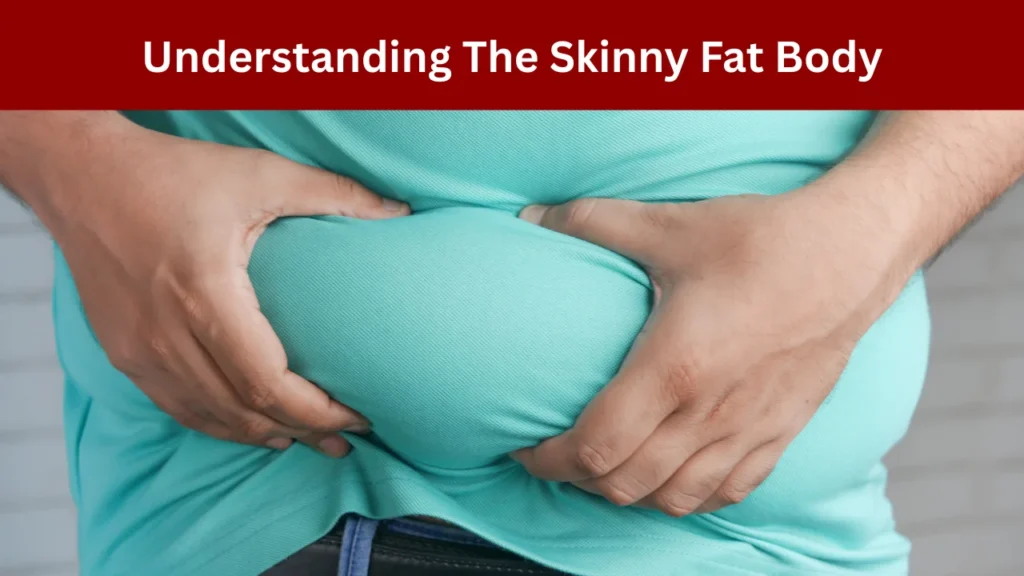
Before we can fix the problem, we need to understand it. The term “skinny fat” describes a person with a relatively low body weight but a high body fat percentage and low muscle mass. This combination creates a look that lacks shape and definition.
What Causes This Condition
Several factors can lead to a skinny fat physique. A common cause is a history of poor dieting, especially severe calorie restriction without proper exercise. This can cause the body to lose precious muscle mass along with fat. Another major contributor is a sedentary lifestyle paired with a diet high in processed foods. This combination encourages fat storage while muscles weaken from lack of use.
Some people might also have a genetic predisposition to store fat in certain areas, like the abdomen, while having a smaller frame. You might also wonder, “how did I go from skinny to fat?” Often, it’s a gradual process of muscle loss and fat gain over years, even if your weight stays the same. The key takeaway is that it’s not just about weight; it’s about body composition.
Common Skinny Fat Mistakes
The biggest mistake people make is treating the problem with the wrong tools. They see a little fat and immediately jump into extreme cardio routines and crash diets. They think the answer is to just get “skinnier,” but this approach often backfires badly. This is a common path that does not lead to a successful skinny fat body transformation.
Focusing only on weight loss can make the skinny fat look even more pronounced. When you lose weight without building muscle, you lose both fat and muscle tissue. This leaves you as a smaller, but still soft and undefined, version of your previous self. The real goal is to change your body’s ratio of muscle to fat.
Why Endless Cardio Fails
Spending hours on the treadmill or elliptical is not the answer for a skinny fat to fit journey. While cardiovascular exercise is great for heart health, relying on it alone is a mistake. Excessive steady-state cardio can signal your body to become more “efficient” by shedding metabolically active tissue, which includes muscle.
This is the exact opposite of what you need. To fix the skinny fat look, you need to build muscle. Muscle is what gives your body shape, tone, and a firm appearance. It also boosts your metabolism, helping you burn more calories even at rest. A little cardio is fine, but it should be a supplement to your main training, not the entire plan.
The Problem With Crash Diets
A severe fat loss diet that cuts calories too drastically is another major pitfall. When you starve your body, it goes into survival mode. It will burn muscle for energy and hold onto fat, fearing a famine. This is a recipe for disaster for anyone trying to achieve a skinny fat to lean muscle transformation.
You cannot build muscle in a state of severe deprivation. Your body needs adequate calories and nutrients, especially protein, to repair and build new muscle tissue. A proper skinny fat diet is not about starvation; it’s about smart nutrition that fuels your workouts and supports muscle growth while encouraging gradual fat loss.
The Core Skinny Fat Solution
The true path from skinny fat to fit transformation isn’t about choosing to either lose fat (cut) or gain muscle (bulk). For someone with this body type, the most effective strategy is to do both at the same time. This process is known as body recomposition.
Introducing Body Recomposition
Body recomposition is the magic formula for fixing the skinny fat body. It is the process of simultaneously reducing your body fat percentage while increasing your lean muscle mass. This might sound too good to be true, but it’s very achievable, especially for those who are new to proper training and nutrition.
The result of body recomposition isn’t just weight loss; it’s a fundamental change in your physique. The scale might not move much initially, or it might even go up slightly as you build dense muscle. However, you will notice your clothes fitting better, your waist getting smaller, and your body looking firmer and more toned. This is the real measure of progress.
Gaining Muscle Losing Fat
To achieve this, you need to send two different signals to your body. First, you need to signal your muscles to grow. This is done through resistance training. Lifting weights creates tiny micro-tears in your muscle fibers. Your body then repairs these tears, making the muscles bigger and stronger than before.
Second, you need to signal your body to burn fat for energy. This is achieved through a carefully managed diet. You’ll eat enough protein to support muscle repair and growth, but you’ll maintain a slight calorie deficit or eat at maintenance level. This encourages your body to tap into its fat stores for the extra energy it needs.
Prioritizing Strength Training
Strength training is the non-negotiable cornerstone of any successful skinny fat to muscle transformation workout. It is the primary stimulus for muscle growth. Without it, you are simply spinning your wheels. Your goal should be to get progressively stronger over time.
This doesn’t mean you need to become a professional bodybuilder. It simply means consistently challenging your muscles. A good skinny fat exercise program will focus on compound movements that work multiple muscle groups at once. This is far more effective than isolating small muscles with endless bicep curls or crunches.
The Role Of Proper Nutrition
You cannot out-train a bad diet. Nutrition is the other half of the equation. The food you eat provides the building blocks for new muscle and the energy for your workouts. A high-protein diet is essential. Protein contains the amino acids necessary for muscle protein synthesis, the process of building new muscle.
Your skinny fat to muscle transformation diet will be centered around whole, unprocessed foods. This includes lean proteins, complex carbohydrates for energy, and healthy fats for hormone function. It’s about fueling your body for performance and recovery, not depriving it.
Your Skinny Fat Transformation Diet
Let’s get specific about what you should be eating. Your diet plan needs to be structured to support your goals. It should be sustainable and provide you with all the nutrients your body needs to change.
Calculating Your Calorie Needs
The first step is to figure out your maintenance calories. This is the number of calories you need to eat daily to maintain your current weight. You can use an online TDEE (Total Daily Energy Expenditure) calculator for a good estimate. To achieve body recomposition, a good starting point is to eat right around this maintenance number or in a very small deficit (around 200-300 calories below maintenance).
This slight deficit allows for gradual fat loss without being so severe that it prevents muscle gain. You will need to adjust this number based on your progress. If you’re not losing any fat after a few weeks, slightly reduce your calories. If you feel weak in your workouts, you may need to increase them slightly.
The Importance Of Protein
Protein is the most important macronutrient for your skinny fat to muscle transformation. Aim to consume around 1.6 to 2.2 grams of protein per kilogram of your body weight (or about 0.8 to 1 gram per pound). This might seem like a lot, but it is crucial for repairing the muscle you break down during training.
Good sources of protein include chicken breast, lean beef, fish, eggs, Greek yogurt, cottage cheese, and protein powder. Spreading your protein intake throughout the day, with 20-30 grams per meal, can help optimize muscle protein synthesis. This is a key part of your fat loss diet.
Smart Carbs and Healthy Fats
Carbohydrates are not the enemy. They are your body’s primary source of energy, and they fuel your workouts. Focus on complex carbohydrates like oats, brown rice, quinoa, sweet potatoes, and vegetables. Timing some of your carb intake around your workouts can be particularly helpful.
Healthy fats are also vital for hormone production and overall health. Good sources include avocados, nuts, seeds, and olive oil. A balanced skinny fat diet plan will include all three macronutrients in the right proportions to support your body’s transformation.
Skinny Fat to Muscle Transformation Meal Plan
This sample meal plan provides an idea of how to structure your day. Adjust portion sizes to meet your specific calorie and protein targets.
| Meal | Option 1 | Option 2 | Notes |
|---|---|---|---|
| Breakfast | Scrambled eggs (3) with spinach and a side of whole-wheat toast. | Greek yogurt (1 cup) with berries and a scoop of protein powder. | Start your day with a high-protein meal to fuel your morning. |
| Lunch | Grilled chicken breast (6 oz) with quinoa and a large mixed green salad. | Tuna salad (made with Greek yogurt) on whole-grain bread with a side of baby carrots. | A balanced meal to keep you energized and full through the afternoon. |
| Snack | A protein shake with one banana. | A handful of almonds and an apple. | A smart snack prevents overeating at your next meal. |
| Dinner | Baked salmon (6 oz) with roasted sweet potatoes and steamed broccoli. | Lean ground turkey (6 oz) stir-fry with brown rice and mixed vegetables. | Focus on lean protein and nutrient-dense vegetables for your final meal. |
The Ultimate Skinny Fat Workout
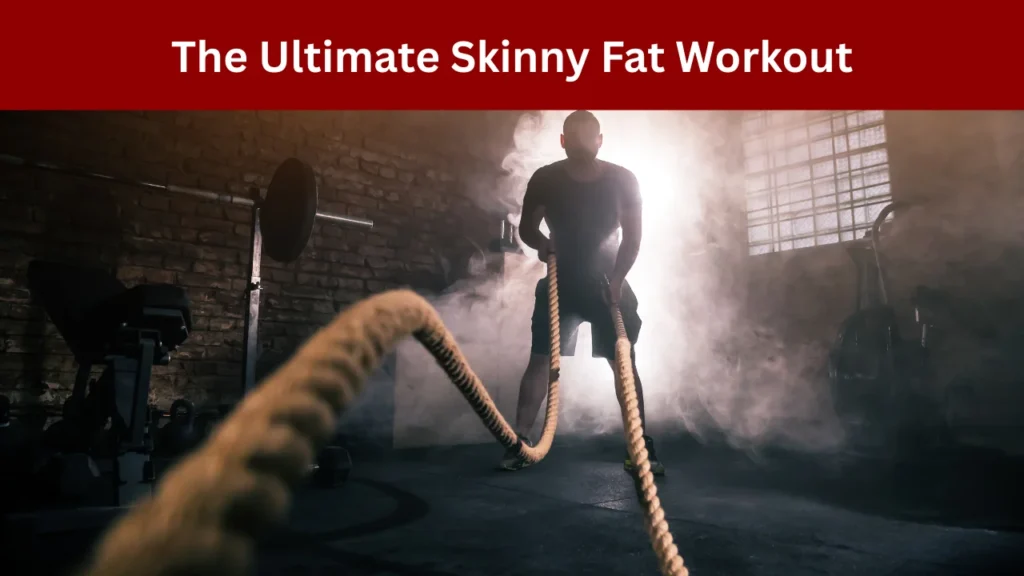
Your training plan is where you will build the muscle that reshapes your body. The focus should be on efficiency and effectiveness. A good skinny fat to muscular workout plan doesn’t require you to spend hours in the gym every day.
Focus On Compound Exercises
Compound exercises are movements that engage multiple joints and muscle groups at the same time. They are the most efficient way to build strength and muscle. These exercises should form the foundation of your skinny fat workout.
Examples of key compound lifts include squats, deadlifts, bench presses, overhead presses, and rows. These movements stimulate a greater release of muscle-building hormones like testosterone and growth hormone compared to isolation exercises. They also burn more calories, aiding in your fat loss goals.
Progressive Overload Is Key
Progressive overload is the principle of gradually increasing the demand placed on your muscles over time. This is how you force them to adapt and grow. If you lift the same weights for the same number of reps every week, your body will have no reason to change.
You can apply progressive overload in several ways. You can increase the weight you are lifting, increase the number of repetitions you perform with a given weight, or increase the number of sets you do. The key is to consistently challenge yourself and aim to be a little bit stronger each week.
How To Structure Your Week
For beginners, a full-body workout routine performed three times per week on non-consecutive days (e.g., Monday, Wednesday, Friday) is an excellent starting point. This frequency allows your muscles to be stimulated often enough for growth while also giving them adequate time to recover.
As you become more advanced, you might switch to an upper/lower split or another routine. But for the initial phase of your skinny fat body transformation, full-body workouts are highly effective. Each session should last around 45 to 60 minutes.
Skinny Fat Workout Plan Female
The principles of building muscle are the same for everyone. However, a skinny fat workout plan female might place a bit more emphasis on certain areas to build a balanced, aesthetically pleasing physique. Many women want to focus on building their glutes, toning their arms, and strengthening their back.
The workout plan below is great for both men and women. For a female-focused approach, you might add an extra glute-focused exercise like hip thrusts or glute kickbacks on your training days. The core compound lifts remain the most important part of the skinny fat to muscle transformation female journey.
Sample 3-Day Full Body Workout Plan
Perform this workout three times a week on non-consecutive days. Focus on good form before increasing the weight.
| Exercise | Sets | Reps | Rest |
|---|---|---|---|
| Barbell Squats | 3 | 8-12 | 90 seconds |
| Bench Press | 3 | 8-12 | 90 seconds |
| Bent-Over Rows | 3 | 8-12 | 90 seconds |
| Overhead Press | 3 | 10-15 | 60 seconds |
| Romanian Deadlifts | 3 | 10-15 | 60 seconds |
| Plank | 3 | Hold for 30-60 seconds | 60 seconds |
Skinny Fat Transformation At Home
You don’t need a gym membership to achieve an amazing muscle transformation at home. With some basic knowledge and consistency, you can build a great physique using just your body weight or minimal equipment. This is a perfect option for a skinny fat to muscle transformation at home.
Muscle Workout Without Equipment
A muscle workout no equipment plan can be surprisingly effective, especially when you are starting out. The key is to focus on mastering basic bodyweight movements and finding ways to make them more challenging over time.
Exercises like push-ups, squats, lunges, glute bridges, and planks form a solid foundation. You can perform a muscle workout at home no equipment and still see significant progress. The goal remains the same: progressive overload.
Essential Home Workout Gear
While not strictly necessary, investing in a few pieces of equipment can greatly expand your exercise options. A set of resistance bands is a fantastic, affordable choice. They can be used to add resistance to bodyweight movements and mimic many cable machine exercises.
A pull-up bar is another excellent investment for building your back and biceps. As you advance, a set of adjustable dumbbells can provide the challenge you need to continue making progress on your skinny fat to muscle transformation home workout.
Sample Home Workout Routine
This routine is a great starting point for a muscle workout at home. As with the gym workout, perform it three times a week on non-consecutive days.
At-Home Bodyweight Exercise Progressions
| Exercise | Beginner | Intermediate | Advanced |
|---|---|---|---|
| Push-Up | Knee Push-ups | Standard Push-ups | Decline Push-ups |
| Squat | Bodyweight Squats | Goblet Squats (holding a weight) | Pistol Squats (one-legged) |
| Row | Resistance Band Rows | Inverted Rows (under a table) | Pull-ups |
| Glute Bridge | Standard Glute Bridge | Single-Leg Glute Bridge | Hip Thrusts with Weight |
Staying Consistent At Home
The biggest challenge with home workouts is staying motivated and consistent. Create a dedicated workout space and schedule your workouts just as you would any other important appointment. Put on your favorite music, eliminate distractions, and focus on the task at hand. Consistency is what will deliver your skinny fat transformation results.
Tracking Your Amazing Progress
Progress is the fuel that keeps your motivation high. However, it’s important to track the right things. The number on the scale can be misleading during a body recomposition journey.
Why The Scale Lies
Muscle is much denser than fat. This means that a pound of muscle takes up less space than a pound of fat. As you build muscle and lose fat, it’s possible for your weight to stay the same or even increase slightly, while your body gets smaller and leaner.
Obsessing over the scale can be discouraging. Use it as one data point among many, but do not let it be your only measure of success. Weigh yourself once a week at the same time and under the same conditions, but focus more on other indicators.
Taking Progress Pictures
Progress pictures are one of the most powerful tools for tracking your skinny fat to muscle transformation. Take photos from the front, side, and back every four weeks. Try to wear the same clothing and use the same lighting and angles each time.
When you feel like you’re not making progress, looking back at your photos from a month or two ago can be incredibly motivating. You will see changes that you might not notice on a day-to-day basis. This visual evidence is proof that your hard work is paying off.
Measuring Body Circumference
Using a soft measuring tape to track changes in your body measurements is another excellent method. Measure key areas like your waist, hips, chest, and arms once a month. During a successful body recomposition, you will likely see your waist measurement decrease while your chest and arm measurements stay the same or increase slightly.
This is a clear sign that you are losing fat and gaining muscle in the right places. It provides objective data that is more meaningful than your body weight alone.
How Your Clothes Fit
One of the best real-world indicators of progress is how your clothes fit. You’ll start to notice that your pants are looser around the waist, but maybe a bit tighter around your glutes and thighs. Your shirts might feel snugger across your shoulders and chest. These are all fantastic signs that you are successfully changing your body composition.
Timeline and Realistic Expectations
One of the most common questions is, “how long does a skinny fat transformation take?” The answer depends on several factors, including your starting point, genetics, consistency, and the intensity of your efforts.
How Long Does It Take
You should start to see and feel noticeable changes within the first 8 to 12 weeks of a consistent program. Your strength in the gym will increase, and you may notice your clothes fitting better. Visible changes in the mirror often become more apparent after about three to six months.
The question of “how long does it take to go from skinny fat to muscular” is a long-term one. Building a significant amount of muscle takes time and patience. It is a marathon, not a sprint. The key is to focus on making consistent progress week after week.
A 1 Year Transformation
A 1 year skinny fat to muscle transformation can be truly life-changing. In one year of consistent training and proper nutrition, you can completely reshape your body. You can build a solid foundation of muscle and significantly lower your body fat percentage, leaving the skinny fat look far behind.
Imagine where you could be in a year if you start today. The time will pass anyway. You can either spend it wishing for change or actively creating it.
Factors Affecting Your Results
Several things can influence the speed of your transformation. Consistency is the most important factor. Sticking to your workout and diet plan 90% of the time will yield far better results than a perfect week followed by a week of inactivity.
Other factors include sleep quality, stress levels, and genetics. Aim for 7-9 hours of quality sleep per night, as this is when your body repairs muscle and recovers. Manage your stress, as high cortisol levels can encourage fat storage.
Staying Patient and Consistent
There will be days when you don’t feel motivated. There will be weeks when your progress seems to stall. This is normal. The people who achieve the best transformations are the ones who stay consistent even when it’s hard.
Trust the process. Focus on showing up, doing the work, and fueling your body properly. The results will come. Celebrate small victories along the way and remember how far you’ve come.
Frequently Asked Questions
1. Should I bulk or cut first if I’m skinny fat?
For most skinny fat individuals, the best approach is neither a traditional bulk nor a cut. The ideal strategy is body recomposition, where you eat at or slightly below your maintenance calories while focusing on a high-protein diet and progressive strength training. This allows you to build muscle and lose fat at the same time.
2. How much cardio should I do?
Cardio should be used as a tool, not the main event. Limit it to 2-3 sessions per week of 20-30 minutes each. Focus on low-intensity steady-state (LISS) cardio like incline walking or high-intensity interval training (HIIT) on your non-lifting days. This is enough to support heart health and fat loss without interfering with muscle growth.
3. How long does it take to go from skinny fat to toned?
Achieving a “toned” look, which is simply a combination of having enough muscle and a low enough body fat percentage to see it, can take anywhere from 3 to 6 months of consistent effort. For a more dramatic change, plan for 6 months to a year.
4. Is this plan suitable for a fat to muscle transformation teenager?
Yes, the principles of strength training and a balanced, high-protein diet are very healthy and effective for a teenager. It is crucial for a teenager to focus on proper form with exercises and to ensure they are eating enough calories to support growth and development alongside their training.
5. What are the best supplements to take?
Supplements are not necessary, but a few can be helpful. A quality protein powder (like whey or a plant-based blend) is a convenient way to meet your daily protein goals. Creatine monohydrate is another well-researched supplement that can help improve strength and performance in the gym. Always focus on getting your nutrition from whole foods first.
Your Transformation Starts Now
You now have the complete blueprint for a successful skinny fat to muscle transformation. The journey from feeling soft and undefined to strong and confident is not about a quick fix. It’s about implementing the right strategies consistently over time.
The core principles are simple. Prioritize progressive strength training to build muscle. Fuel your body with a high-protein diet at the right calorie level to encourage fat loss. Be patient, track your progress beyond the scale, and stay consistent. You have the knowledge and the plan. The only thing left to do is start.

Dr. Max is a dedicated medical professional with extensive experience in health and wellness. His approach blends clinical expertise with the latest research, offering practical insights to help individuals lead healthier, more balanced lives.