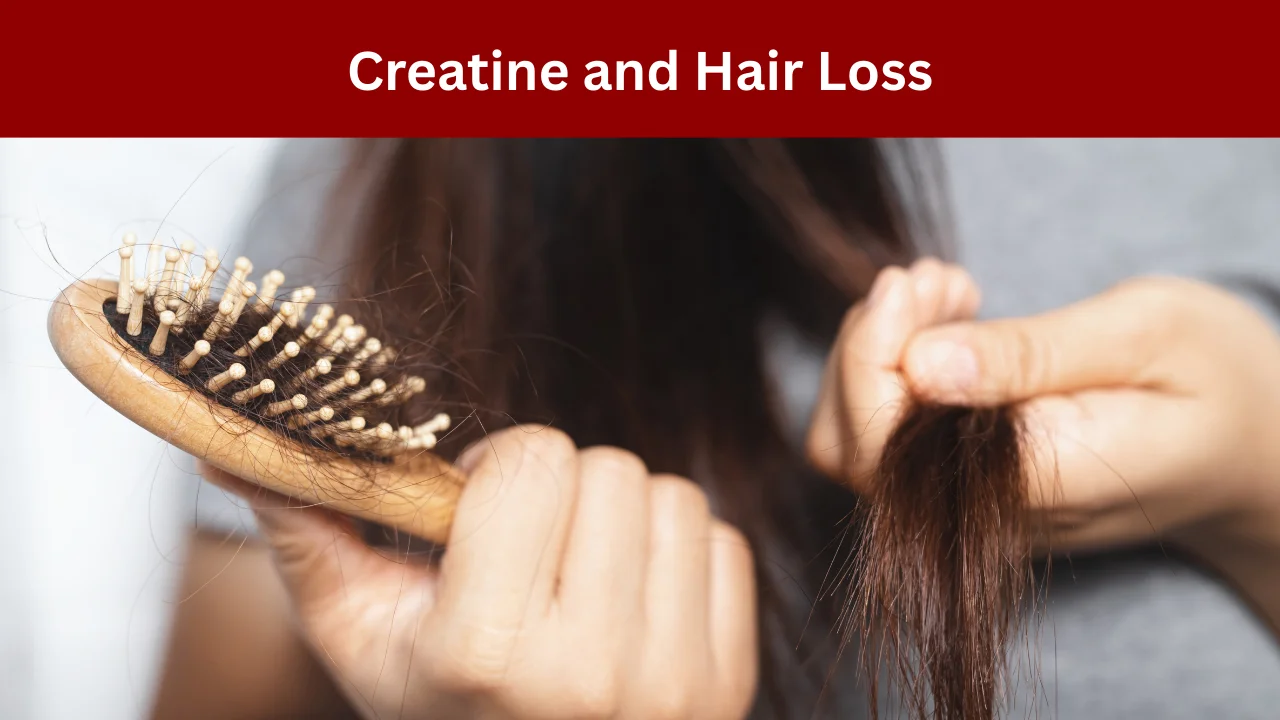
You’re hitting the gym, crushing your workouts, and maybe even taking creatine to boost your performance. But then you hear a rumor: does creatine cause hair loss? It’s a question that’s been floating around fitness forums and Reddit threads alike, leaving many wondering about the link between creatine and hair loss. If you’re worried about thinning hair or just curious about the creatine hair loss myth, this article dives deep into the science, myths, and practical tips to help you make informed choices. Let’s clear up the confusion and get to the truth.
What Is Creatine?
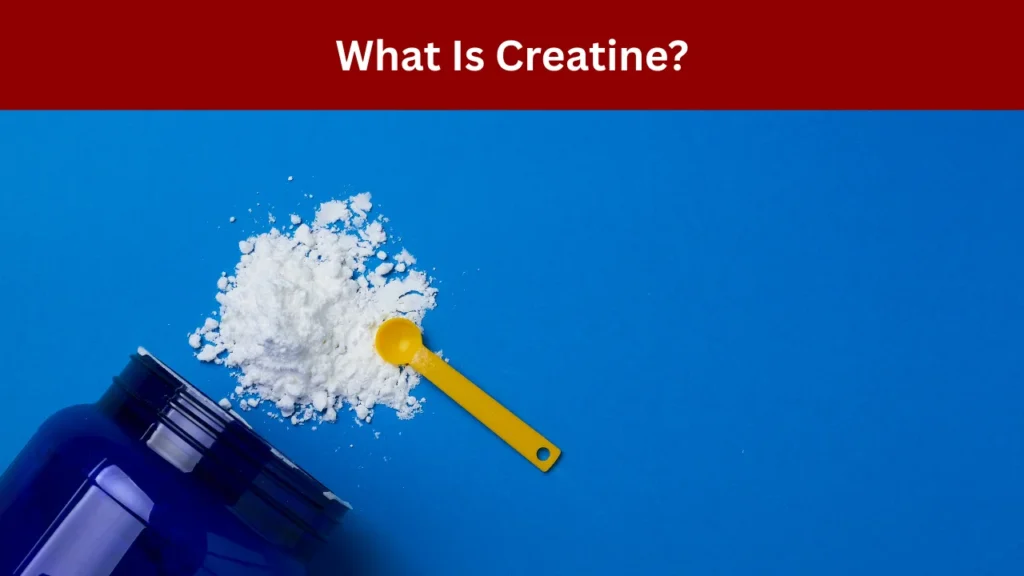
Creatine is a naturally occurring compound in your muscles, helping produce energy during intense workouts. Most people take creatine monohydrate as a supplement to enhance strength, endurance, and muscle growth. It’s one of the most studied supplements, with decades of research backing its benefits. But with popularity comes scrutiny, and the creatine and hair loss debate has sparked concern. Before we dive into the creatine and hair loss studies, let’s break down how creatine works and why it’s so popular.
How Creatine Boosts Performance
Creatine increases your body’s stores of phosphocreatine, which helps produce ATP, the energy currency of cells. This means more power for your lifts and sprints. Studies show creatine can improve strength by 5-15%. It’s no wonder athletes love it. But could this energy boost come at a cost, like creatine and hair loss in men or women? Let’s explore the science.
Types of Creatine Supplements
You’ve probably seen creatine monohydrate, creatine HCL, and other forms on store shelves. Monohydrate is the most researched and affordable, while HCL is marketed for better solubility. Each type has its fans, but does the type matter for creatine supplements and hair loss? No evidence suggests one form is more likely to cause hair issues than another.
Common Uses of Creatine
Beyond bodybuilding, creatine supports brain health, recovery, and even endurance sports. People take it for everything from sprinting to cognitive performance. But with widespread use, questions like “can creatine cause hair loss” pop up. Let’s dig into the creatine and hair loss research to see what’s real.
Safety Profile of Creatine
Creatine is generally safe, with studies showing minimal side effects when used correctly. Common issues include water retention or stomach discomfort, but what about side effects creatine hair loss before and after? The safety data is robust, but hair loss concerns need a closer look.
Does Creatine Cause Hair Loss?
The big question: does creatine cause hair loss? The idea stems from a 2009 study linking creatine to increased DHT (dihydrotestosterone), a hormone tied to hair loss. This sparked the creatine and hair loss men debate, as DHT is a key player in male pattern baldness. But is the creatine hair loss myth fact or fiction? Let’s break it down.
The 2009 Study Explained
In 2009, a small study on rugby players found that creatine monohydrate increased DHT levels by about 56% after three weeks. DHT can shrink hair follicles in those genetically prone to balding. This led to the creatine and hair loss study hype. However, the study didn’t directly measure hair loss, and its small sample size limits its conclusions.
DHT and Hair Loss Connection
DHT is a hormone derived from testosterone, and high levels can contribute to hair thinning in men and women. If you’re genetically predisposed to androgenetic alopecia (pattern baldness), DHT can speed up hair loss. But does creatine and hair loss in women or men follow the same logic? The link isn’t clear-cut, as DHT’s role is complex.
Limitations of Existing Research
The 2009 study is often cited in Reddit creatine and hair loss threads, but it’s not definitive. No large-scale, long-term studies confirm a direct link between creatine and hair loss. Most creatine and hair loss scientific studies are small or inconclusive. Without more data, it’s hard to say if creatine and premature hair loss is a real concern.
Other Factors in Hair Loss
Hair loss has many causes—genetics, stress, diet, and hormones. Blaming creatine and hair loss alone oversimplifies things. For example, poor nutrition or thyroid issues can also cause creatine and hair thinning. Before you ditch creatine, consider these other factors.
| Hair Loss Causes Comparison | Description | Link to Creatine |
|---|---|---|
| Genetics | Family history of baldness (androgenetic alopecia) | Possible DHT link, but unproven |
| Hormonal Changes | Thyroid issues, menopause, or testosterone fluctuations | Minimal, unless DHT is a factor |
| Stress | High cortisol levels from chronic stress | No direct link to creatine |
| Nutritional Deficiencies | Lack of iron, zinc, or biotin | Creatine doesn’t deplete these |
Creatine and Hair Loss Myths
The internet is full of creatine hair loss before and after stories, but many are myths. Let’s debunk some common misconceptions and get to the truth about creatine and hair loss. I’ve seen friends panic over a few extra hairs in the shower, only to realize it’s not creatine’s fault.
Myth 1: Creatine Directly Causes Baldness
No solid evidence proves creatine supplements and hair loss are directly linked. The 2009 study only showed a DHT increase, not actual hair loss. In my experience, people often blame supplements before checking other causes like stress or genetics.
Myth 2: All Creatine Types Cause Hair Loss
Whether it’s creatine HCL and hair loss or pure creatine monohydrate and hair loss, no specific type is proven to cause hair issues. The chemical structure of creatine doesn’t vary enough to make a difference in this context.
Myth 3: Creatine Causes Hair Loss in Everyone
Hair loss is highly individual. If you’re not genetically prone to balding, creatine and hair loss in women or men is unlikely to affect you. What I learned the hard way is that worrying about hair loss can stress you out, which ironically can worsen it!
Myth 4: Stopping Creatine Reverses Hair Loss
If taking creatine and hair loss seems linked, stopping won’t magically regrow hair. Hair loss from DHT or genetics is progressive. However, addressing overall health can help with creatine hair loss solution strategies.
How to Use Creatine Safely?
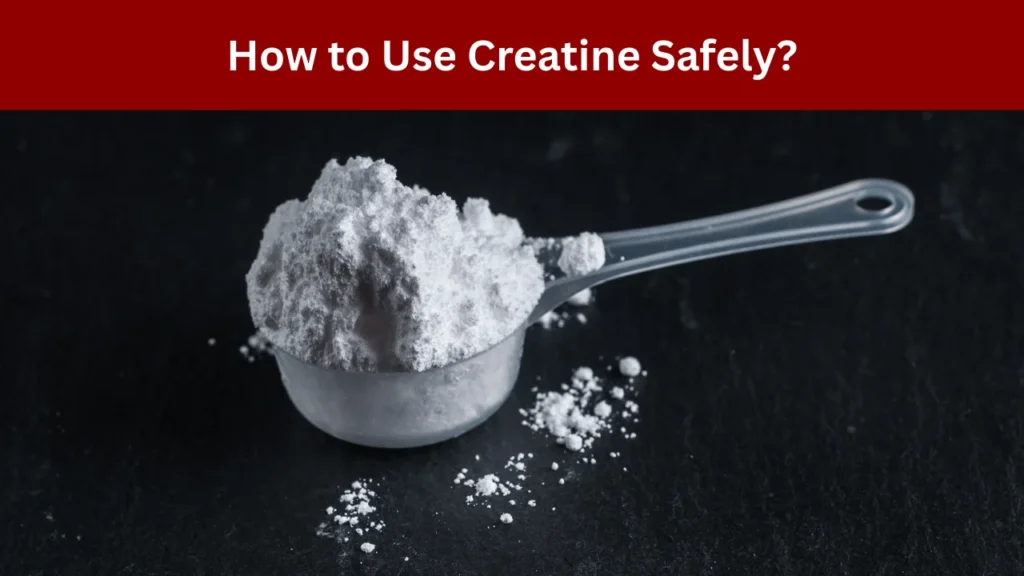
If you’re worried about creatine and hair loss, don’t ditch it yet. Creatine is safe and effective when used correctly. Here’s how to take it without stressing about creatine hair loss problem. These tips come from years of trial and error in my own fitness journey.
Tip 1: Stick to Recommended Dosages
Take 3-5 grams of creatine monohydrate daily. Avoid loading phases (20g/day) as they may increase DHT spikes. Consistent, low doses minimize risks while maximizing benefits.
Tip 2: Stay Hydrated
Creatine pulls water into muscles, so drink plenty of water. Dehydration can stress your body, potentially worsening hair thinning. Aim for 8-10 glasses daily.
Tip 3: Monitor Your Hair Health
Check for signs of creatine and hair growth or loss. If you notice excessive shedding, consult a dermatologist. They can test for creatine deficiency and hair loss or other causes.
Tip 4: Balance Your Nutrition
A diet rich in biotin, zinc, and protein supports hair health. Poor nutrition can mimic creatine and hair loss in men symptoms. Eat whole foods like eggs, nuts, and fish.
Tip 5: Consult a Doctor
If you’re concerned about creatine and hair loss research, talk to a healthcare pro. They can assess your DHT levels or genetic risks. Here’s a tip I always give beginners: don’t rely on Reddit for medical advice!
| Creatine Dosage Guide | Phase | Amount | Duration |
|---|---|---|---|
| Maintenance Dose | Daily | 3-5g | Ongoing |
| Loading Phase (Optional) | Daily | 20g (split) | 5-7 days |
| Cycling (Optional) | Break | None | 4 weeks |
Hair Loss Prevention Strategies
Worried about how to prevent hair loss while using creatine? You can take steps to keep your hair healthy, regardless of creatine use and hair loss concerns. These strategies are practical and backed by science.
Maintain a Healthy Diet
Eat foods rich in vitamins like biotin, zinc, and vitamin D. These nutrients strengthen hair follicles and may counter creatine and hair thinning. Think spinach, salmon, and avocados.
Use Hair-Friendly Products
Shampoos with ketoconazole or minoxidil can reduce DHT’s impact on hair. They’re not directly tied to creatine hair loss solution, but they support overall scalp health.
Manage Stress Levels
Chronic stress raises cortisol, which can worsen hair loss and creatine concerns. Try yoga or meditation to keep stress in check. It’s helped me stay calm during intense training.
Regular Scalp Care
Massage your scalp to improve blood flow to hair follicles. This can’t reverse creatine and hair loss men issues, but it promotes healthier hair growth.
| Hair Loss Prevention Tips | Action | Benefit |
|---|---|---|
| Biotin Supplements | 2,500-5,000 mcg daily | Strengthens hair |
| Ketoconazole Shampoo | Use 2-3 times weekly | Reduces scalp DHT |
| Scalp Massage | 5-10 min daily | Boosts blood flow |
| Balanced Diet | Include zinc, protein | Supports follicle health |
What Science Says Today
The creatine and hair loss journal entries and creatine and hair loss pubmed searches show limited evidence. Most experts agree that is there a link between creatine and hair loss remains unproven. Newer studies, like those discussed in new study on creatine and hair loss, focus on long-term effects but still lack conclusive data.
Current Research Gaps
No long-term studies on creatine and hair loss exist yet. The 2009 study remains the main reference, but it’s outdated and small. Larger trials are needed to settle the debate.
Ongoing Studies and Future Insights
Researchers are exploring creatine and hair loss scientific studies to clarify DHT’s role. Until then, the creatine hair loss myth persists, fueled by anecdotal Reddit creatine and hair loss posts.
Expert Opinions on Creatine
Fitness experts like Jim Stoppani argue that Jim Stoppani creatine and hair loss fears are overblown. Most agree creatine’s benefits outweigh unproven risks for most users.
FAQs About Creatine and Hair Loss
Does creatine cause hair loss in everyone?
No, hair loss depends on genetics and DHT sensitivity. Creatine and hair loss is only a concern for those predisposed to baldness.
Can women experience creatine-related hair loss?
Creatine and hair loss in women is less common, as women have lower DHT levels. However, hormonal changes can play a role.
Is creatine HCL safer than monohydrate for hair?
No evidence shows creatine HCL and hair loss differs from creatine monohydrate and hair loss. Both are likely safe.
How can I prevent hair loss while taking creatine?
Use a balanced diet, stay hydrated, and consider DHT-blocking shampoos to minimize creatine hair loss problem risks.
Are there long-term studies on creatine and hair loss?
Currently, no long-term studies on creatine and hair loss exist. More research is needed to confirm any link.
Does stopping creatine reverse hair loss?
Stopping creatine won’t reverse genetic hair loss, but it may help if creatine and hair loss is a temporary trigger.
Also Read: Coffee and Fertility
Wrapping It Up
The creatine and hair loss debate is more myth than fact. While a 2009 study suggested a DHT increase, no solid evidence proves does creatine cause hair loss. Genetics, stress, and diet play bigger roles in hair loss and creatine concerns. By sticking to safe dosages, eating well, and managing stress, you can enjoy creatine’s benefits without worry. If you’re still asking, “should I worry about creatine and hair loss?”—relax. Focus on overall health, and consult a doctor if you notice changes. Keep lifting, keep learning, and keep your hair game strong.

Dr. Max is a dedicated medical professional with extensive experience in health and wellness. His approach blends clinical expertise with the latest research, offering practical insights to help individuals lead healthier, more balanced lives.