
Imagine feeling exhausted despite sleeping well. Your skin looks pale, and small tasks leave you breathless. These could signal anemia, a condition where your body lacks enough healthy red blood cells. But what if swelling in your body is the culprit? You might wonder how does inflammation cause anemia. This guide explains the link in detail. You’ll learn about causes, symptoms, and solutions. By the end, you’ll feel empowered to manage your health.
Understanding Anemia Basics
Anemia means your blood has fewer red blood cells or less hemoglobin than needed. Hemoglobin carries oxygen to your organs. Without enough, you feel tired and weak. Knowing the basics helps you spot issues early.
Types of Anemia
You might face different anemia types. Iron deficiency anemia stems from low iron. Vitamin deficiency anemia arises from missing B12 or folate. Anemia of chronic disease, tied to swelling, is common too. Each type affects your energy.
Importance of Iron
Iron is vital for making hemoglobin in red blood cells. Your body recycles iron from old cells and gets some from food. If swelling blocks iron use, anemia develops. This connects to how does inflammation cause anemia.
Red Blood Cell Function
Red blood cells form in bone marrow and live about 120 days. They carry oxygen from lungs to tissues. Swelling disrupts this cycle, reducing cell numbers. Understanding this shows why inflammation matters.
Impact of Low Oxygen
Low red blood cells mean less oxygen reaches muscles and organs. You feel sluggish and short of breath. This affects daily life, from work to exercise. Early action prevents worse outcomes.
What Is Inflammation?
Inflammation is your body’s defense against harm, like infections or injuries. It sends immune cells to heal. Short-term, it’s helpful. Long-term swelling, though, harms healthy tissues and leads to issues like anemia.
Acute vs Chronic Swelling
Acute swelling is quick, like a cut that heals fast. Chronic swelling lasts months, caused by ongoing issues like autoimmune diseases. It quietly damages your body, setting the stage for anemia.
Common Inflammation Causes
Autoimmune conditions, long infections, or obesity trigger chronic swelling. Cancer and kidney issues also contribute. Knowing these helps you identify risks and discuss them with your doctor.
Effects on Body Systems
Chronic swelling impacts multiple systems. It strains your heart, joints, and blood. This disruption reduces red blood cell production, linking directly to anemia.
Cytokine Role in Swelling
Cytokines are immune messengers released during swelling. They fight threats but, in chronic cases, cause harm. They block iron and slow blood cell creation, a key part of anemia.
How Inflammation Causes Anemia?
You’re likely asking how does inflammation cause anemia. Swelling disrupts iron use, hormone levels, and red blood cell life. This leads to fewer cells and less oxygen, causing anemia symptoms.
Hepcidin and Iron Block
Hepcidin, a liver hormone, rises during swelling. It locks iron in storage cells, stopping its use for blood production. This process, driven by cytokines, is central to anemia.
Iron Sequestration Process
Your body hides iron during swelling to starve germs. Immune cells hold iron tightly, reducing what’s available for red blood cells. This protective step leads to anemia over time.
Reduced Erythropoietin Levels
Erythropoietin (EPO) from kidneys signals bone marrow to make red blood cells. Swelling lowers EPO, slowing cell production. This adds to anemia’s development.
Shorter Cell Lifespan
Swelling damages red blood cells, making them die faster than their 120-day norm. Your body can’t replace them quickly enough. This speeds up anemia.
Linked Health Conditions
Autoimmune diseases like arthritis, cancer, kidney issues, or chronic infections cause swelling. These conditions often lead to anemia, making it key to address the root issue.
Recognizing Anemia Symptoms
Anemia shows through tiredness, pale skin, and breathlessness. These signs come from low oxygen in your body. Spotting them early helps you act fast.
Fatigue and Weakness
You feel drained, even with rest. Simple tasks like walking tire you out. This happens because cells lack oxygen, affecting your energy and focus.
Shortness of Breath
Climbing stairs or exercising leaves you gasping. Your heart races to pump more blood. In severe cases, chest pain may occur, signaling a need for care.
Pale Skin Signs
Your skin, lips, or nails may look pale. You might bruise easily or feel cold in hands and feet. These show poor blood flow from low red blood cells.
Symptoms in Women
Women may notice hair loss or brittle nails. Heavy periods worsen iron loss, increasing anemia risk. Craving ice or dirt (pica) is another clue.
| Anemia Type | Main Cause | Common Symptoms | Key Blood Test Findings |
|---|---|---|---|
| Inflammation Anemia | Chronic swelling | Fatigue, pale skin, shortness of breath | Low serum iron, high ferritin |
| Iron Deficiency Anemia | Low iron intake | Tiredness, brittle nails, pica | Low ferritin, low serum iron |
| Vitamin Deficiency Anemia | Lack of B12 or folate | Numbness, memory issues | Low B12 or folate levels |
Diagnosing Anemia Issues
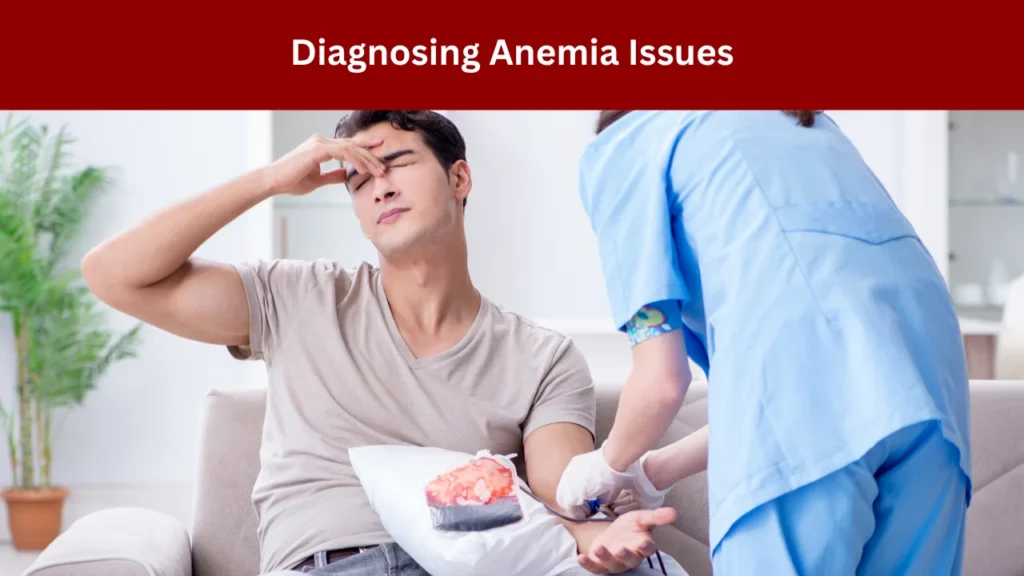
Your doctor uses tests and questions to confirm anemia. They check if swelling or other causes are at play. Early diagnosis leads to better treatment.
Health History Review
Your doctor asks about symptoms and chronic conditions. They note any infections or autoimmune issues. This helps pinpoint if swelling causes anemia.
Blood Test Insights
A complete blood count checks red blood cell and hemoglobin levels. Iron tests show serum iron, ferritin, and transferrin saturation. High ferritin with low iron suggests inflammation.
Ruling Out Causes
Tests for vitamin B12, folate, or kidney function rule out other anemia types. Bone marrow tests are rare but used if needed for clarity.
Imaging for Clarity
Scans like ultrasounds check for hidden swelling sources, like infections or tumors. These ensure your doctor finds the exact cause.
When to Seek Help
See a doctor if tiredness persists or you faint. Chest pain or severe breathlessness needs urgent care. Early checks prevent bigger problems.
Treating Anemia Effectively
Treating the swelling source often resolves anemia. Meds, supplements, or lifestyle changes help. Your doctor tailors the plan to your needs.
Addressing Root Cause
For autoimmune issues, meds lower swelling. Antibiotics treat infections. Fixing the source improves iron use and blood cell production.
Iron Supplement Options
Oral iron pills boost levels if stores are low. IV iron works faster for some. Your doctor decides based on test results.
EPO Therapy Benefits
EPO shots increase red blood cell production, especially in kidney disease or cancer. They pair with iron for better results.
Blood Transfusion Cases
Severe anemia may need transfusions for quick relief. This adds red blood cells but isn’t a long-term fix.
Anti Swelling Medications
Steroids or biologics reduce cytokines and hepcidin. This frees iron for blood making, easing anemia symptoms.
| Treatment Type | How It Helps | Common Examples | Possible Side Effects |
|---|---|---|---|
| Iron Supplements | Boost available iron | Ferrous sulfate pills, IV ferric carboxymaltose | Stomach upset, constipation |
| EPO Agents | Increase red blood cell production | Epoetin alfa shots | High blood pressure, clots |
| Anti Inflammatory Drugs | Reduce cytokines and hepcidin | Ibuprofen, tocilizumab | Stomach issues, infection risk |
| Blood Transfusions | Quick red blood cell boost | Whole blood units | Allergic reactions, iron overload |
Lifestyle Changes Support
You can ease anemia with daily habits. Balanced diet, light exercise, and stress control help reduce swelling and boost blood health.
Iron Rich Diet
Eat meats, beans, and spinach for iron. Pair with vitamin C from oranges to absorb more. This supports anemia treatment.
Best Foods Daily
Try eggs, nuts, or fortified cereals. Kale and quinoa add iron. Small, consistent choices make a difference.
Foods to Limit
Avoid tea or coffee with meals, as they block iron. Processed foods raise swelling. Choose whole foods instead.
Sample Meal Ideas
Start with oatmeal and berries. Lunch with chicken and veggies. Dinner of fish and greens. Snacks like apples help.
Supplements to Try
Take iron or B12 if your doctor agrees. Don’t start without their advice to avoid issues.
| Food Group | Iron Rich Options | Serving Size | Daily Iron Amount (mg) |
|---|---|---|---|
| Meats | Beef, chicken liver | 3 oz | 2-5 |
| Plants | Lentils, spinach | 1 cup | 3-6 |
| Grains | Fortified bread, quinoa | 1 slice or 1/2 cup | 1-3 |
| Fruits | Dried apricots, raisins | 1/2 cup | 2-4 |
Preventing Anemia Risks
Prevent anemia by managing swelling early. Healthy habits and regular checkups keep your blood strong.
Control Swelling Early
Treat infections quickly. Maintain a healthy weight to lower swelling. These steps reduce anemia risk.
Build Healthy Habits
Eat balanced meals and exercise lightly. Avoid smoking, as it increases swelling. These protect your health.
Monitor Risk Factors
Older adults or women with heavy periods face higher risks. Chronic diseases add to it. Stay aware and proactive.
Find Support Groups
Connect with others facing anemia. Sharing tips and stories helps you stay motivated and informed.
FAQs
Common Anemia Causes
Anemia stems from low iron, vitamins, or chronic swelling. Swelling locks iron away, reducing red blood cells. Blood tests confirm the cause.
Symptoms in Women
Women may see hair loss, pale skin, or fatigue. Heavy periods increase risk. Pica, craving non-food items, is a sign.
Best Iron Treatments
Supplements and iron-rich foods help. For swelling-related anemia, treat the root cause first. IV iron may be needed.
Diet for Anemia
Foods like meats and greens boost iron. Vitamin C aids absorption. Always pair diet with medical advice.
Chronic Disease Link
Swelling from arthritis, cancer, or infections causes anemia. It disrupts iron and hormone levels, slowing blood production.
Also Read: What Should a Person With Anemia Eat
Summary
You now understand how does inflammation cause anemia through iron lockup, low erythropoietin, and shorter cell life. Symptoms like fatigue and pale skin signal the issue. Treat it by addressing swelling, using supplements, and eating iron-rich foods. Regular checkups and healthy habits prevent problems. Talk to your doctor for a plan that fits you.

Dr. Max is a dedicated medical professional with extensive experience in health and wellness. His approach blends clinical expertise with the latest research, offering practical insights to help individuals lead healthier, more balanced lives.