
You feel that nagging burn in your stomach after meals. The discomfort lingers, disrupting your day. If you’re battling stomach ulcers, you understand the struggle of constant pain. You’ve likely tried medications, but you’re curious about natural remedies. Could something as simple as cabbage juice for stomach ulcers help? Many people claim it works wonders for soothing ulcer symptoms. This article explores whether cabbage juice is good for ulcers, diving into its benefits, preparation methods, and scientific backing. With a friendly guide, you’ll learn how this green drink might ease your pain and support healing. Ready to discover a natural approach? Let’s get started.
Understanding Stomach Ulcers Clearly
Stomach ulcers can disrupt your life with persistent discomfort. These open sores form in your stomach lining, causing pain and distress. Understanding their symptoms, causes, and types empowers you to manage them effectively.
Recognizing Common Ulcer Symptoms
Ulcer symptoms often hit hard, making daily life challenging. You might feel a burning sensation in your upper abdomen, especially when your stomach is empty. Bloating after meals is common, and nausea may creep in unexpectedly. In severe cases, you could notice blood in your stool or dark, tarry stools. Unexplained weight loss and fatigue often accompany these issues. Recognizing these signs early helps you seek ulcer treatment promptly. Always consult a doctor if symptoms persist to avoid complications.
Exploring Main Ulcer Causes
Several factors contribute to ulcer causes, and knowing them helps you take preventive steps. The bacteria H. pylori is a primary culprit, infecting the stomach lining and weakening its protective barrier. Overuse of NSAIDs, like ibuprofen, erodes the stomach’s defenses over time. Stress and spicy foods don’t cause ulcers but can worsen symptoms. Excessive alcohol and smoking also aggravate the condition. Poor diet choices may leave your stomach vulnerable. Understanding these triggers allows you to make smarter choices for ulcer care.
Different Types of Ulcers
Ulcers vary depending on their location and cause. Gastric ulcers develop in the stomach, often causing pain during meals. Duodenal ulcers form in the small intestine, with pain typically easing after eating. Peptic ulcers include both types, driven by acid or bacteria. Stress ulcers emerge during severe illness, healing with proper care. Rarely, ulcers link to ulcer cancer, marked by persistent pain or weight loss. Knowing ulcer and its types helps you tailor your ulcer diet plan effectively.
Role of Acidity in Ulcers
Ulcer acidity plays a significant role in worsening symptoms. Your stomach produces acid to digest food, but too much can erode the protective mucus layer. H. pylori infections increase acid production, creating sores faster. Low stomach acid can also slow healing, complicating recovery. Cabbage juice for ulcers may help balance acidity and protect the lining. Monitoring acid levels with medical tests ensures you address the root issue. Adjust your diet and habits to support healing.
| Ulcer Types Comparison | Location | Common Pain Trigger | Typical Healing Time |
|---|---|---|---|
| Gastric Ulcer | Stomach | During meals | 4-8 weeks |
| Duodenal Ulcer | Small intestine | Night or empty stomach | 2-6 weeks |
| Peptic Ulcer | Stomach or intestine | Varies by type | 4-12 weeks |
| Stress Ulcer | Upper digestive tract | Severe illness | 1-4 weeks with care |
This comparison clarifies ulcer types, helping you discuss options with your healthcare provider.
Cabbage Juice Benefits

Cabbage juice benefits extend beyond simple nutrition, offering support for your digestive health. Packed with vitamins and compounds, this drink tackles inflammation and promotes healing. Let’s uncover why it’s a powerful ally for your gut.
Broad Health Benefits of Cabbage
The health benefits of cabbage make it a nutritional powerhouse. Rich in vitamin C, it strengthens your immune system to fight infections. Dietary fiber promotes regular bowel movements, easing digestive strain. Antioxidants like polyphenols reduce oxidative stress, protecting your cells. Potassium helps regulate blood pressure, supporting heart health. Folate supports cell repair and growth, vital for recovery. Adding cabbage to your meals or juicing it raw maximizes these benefits. Your body feels the difference quickly.
Nutritional Power of Cabbage
The nutritional benefits of cabbage are impressive for a low-calorie vegetable. A single cup of raw cabbage provides about 50 calories, packed with essential nutrients. Vitamin K, crucial for blood clotting, covers 85% of your daily needs. Manganese supports strong bones, while sulfur compounds aid liver detoxification. Vitamin B6 boosts mood and energy, and iron combats fatigue. Cabbage juice amplifies these nutrients, preserving enzymes lost in cooking. Drinking it fresh ensures you get the full nutritional punch.
Reducing Inflammation Naturally
Cabbage for inflammation is a game-changer for those with chronic pain. Glucosinolates in cabbage reduce swelling by blocking inflammatory signals. This helps ease joint pain from arthritis or gut inflammation from ulcers. Red cabbage health benefits shine with anthocyanins, which fight free radicals effectively. Drinking cabbage juice daily can lower inflammation markers, studies suggest. Pair it with light exercise for better results. Your body heals faster with this natural approach.
Holistic Benefits of Cabbage
The benefits of cabbage touch multiple aspects of health, making it a versatile food. It supports digestion by preventing constipation and promoting gut health. Compounds like sulforaphane may lower cancer risks over time. Cabbage aids liver function, helping detoxify your body naturally. Its lutein content supports eye health, while low calories assist weight management. Incorporating cabbage juice uses into your routine enhances skin healing and bone strength. This vegetable is a true wellness booster.
| Nutritional Values Per Cup Cabbage Juice | Nutrient | Amount | Daily % Value |
|---|---|---|---|
| Vitamin C | 81 mg | 90% | |
| Vitamin K | 76 mcg | 63% | |
| Folate | 43 mcg | 11% | |
| Potassium | 170 mg | 4% | |
| Fiber | 2.5 g | 9% |
These nutrients show why cabbage juice is a smart choice for ulcer healing and overall health.
Science Supporting Cabbage Ulcers
Is cabbage juice good for ulcers? Research from decades ago and recent studies suggest it is. The compound vitamin U and anti-inflammatory properties make it effective. Let’s explore the evidence behind cabbage juice for stomach ulcers.
Early Studies on Ulcer Healing
Historical studies on cabbage juice show promising results for ulcer treatment. In the 1940s, researchers tested fresh cabbage juice on patients. Gastric ulcers healed in about 7 days, compared to 42 days with standard care. Duodenal ulcers mended in roughly 10 days, far faster than the usual 37. The compound vitamin U was credited for protecting the stomach lining. These findings, confirmed in controlled trials, give cabbage juice a strong reputation for peptic ulcer healing.
Modern Animal Research Insights
Recent animal research supports cabbage juice’s effectiveness for ulcers. A 2014 study on rats showed cabbage extract reduced ulcer formation significantly. It also lowered stomach acid levels, creating a safer environment for healing. Another trial found cabbage juice matched the effects of drugs like omeprazole. Sulforaphane compounds slowed H. pylori growth, a key ulcer cause. These results suggest cabbage juice could complement human treatments, though more studies are needed.
Vitamin U Healing Mechanism
Vitamin U, or S-methylmethionine, is a key player in cabbage juice for ulcers. Found in raw cabbage, it strengthens the stomach’s mucus lining, protecting against acid damage. This compound promotes rapid crater healing, reducing pain quickly. Studies show it repairs tissue faster than many medications. Drinking fresh cabbage juice ensures you get the full dose, as cooking destroys some benefits. Combining it with medical treatments enhances results.
Fighting H Pylori Bacteria
Cabbage juice’s H. pylori inhibition effects are a major advantage. This bacteria causes most stomach ulcers by weakening the gut lining. Sulforaphane in cabbage juice attacks H. pylori, even resistant strains. Animal studies show reduced bacterial growth and less ulcer damage. Raising stomach pH with cabbage juice creates an unfriendly environment for bacteria. Pairing it with antibiotics may improve cure rates, but always consult your doctor first.
Preparing Cabbage Juice Easily
Creating a cabbage juice recipe at home is straightforward and affordable. Whether you use a juicer or blender, fresh juice delivers maximum benefits. Here’s how to make cabbage juice at home for ulcer relief.
Simple Cabbage Juice Recipe
To make basic cabbage juice, start with one fresh cabbage head. Wash it thoroughly to remove dirt and pesticides. Chop it into small chunks for easier processing. Feed the pieces through a juicer for a smooth liquid. If using a blender, add a cup of water and strain the pulp afterward. This yields about a quart of juice. Drink half a cup fresh for best results, storing leftovers in the fridge for up to two days.
Fermented Cabbage Juice Benefits
Fermented cabbage juice adds probiotics to support gut health. Begin by juicing fresh cabbage as described above. Pour the juice into a clean jar and cover it loosely to allow airflow. Let it sit at room temperature for 2-3 days until bubbles form. The tangy flavor signals fermentation. Strain again for clarity and refrigerate. This version boosts ulcer healing with beneficial bacteria. Start with small sips to test your tolerance.
Red Cabbage Juice Option
Red cabbage juice variation offers extra antioxidants for inflammation relief. Choose a ripe purple cabbage and follow the same juicing steps. Its anthocyanins provide a powerful anti-inflammatory boost. Mix half red and half green cabbage for balanced flavor and benefits. Adding a splash of lemon juice enhances taste. This vibrant drink supports digestive health and fights free radicals. Store it chilled and consume within 48 hours for freshness.
Blended Cabbage Smoothie Ideas
If the taste of cabbage juice feels too strong, try a blended cabbage smoothie. Core one small cabbage and blend with two peeled carrots. Add a green apple for natural sweetness and a small piece of fresh ginger for zing. Blend with water until smooth, thinning as needed. This keeps the fiber intact, aiding digestion. Freeze leftovers in ice cube trays for quick future servings. It’s a gentler way to enjoy cabbage juice benefits.
| Cabbage Juice Recipe Steps | Basic | Fermented | Red Variation |
|---|---|---|---|
| Prep Time | 5 minutes | 5 min + 2 days | 7 minutes |
| Ingredients | 1 cabbage, water | Basic + pinch of salt | 1 red cabbage, lemon |
| Key Benefit | Fast ulcer relief | Probiotic gut support | Antioxidant boost |
| Daily Servings | 1 cup | ½ cup | ¾ cup |
These recipes make incorporating cabbage juice into your routine simple and effective.
Using Cabbage Juice Effectively
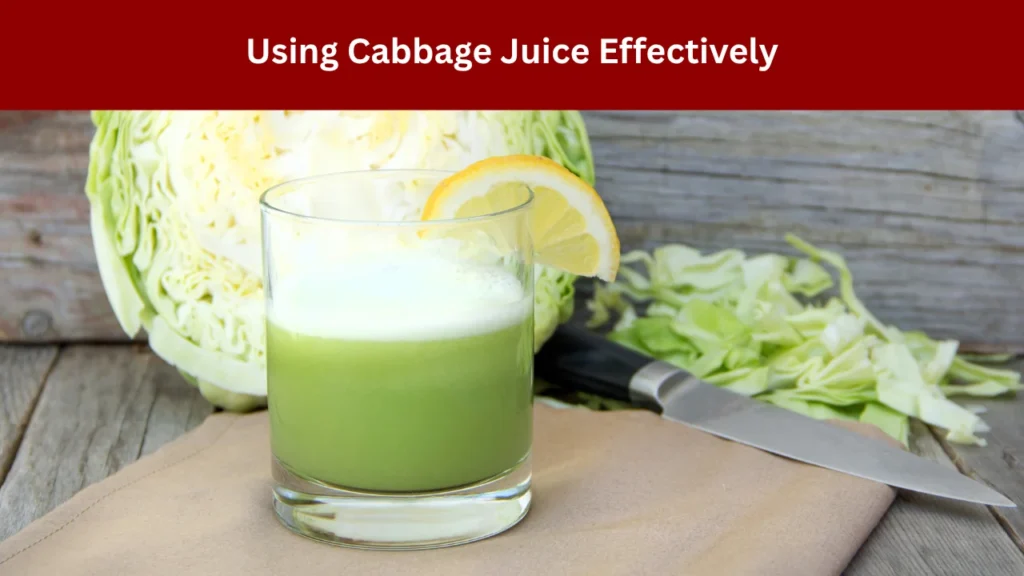
Using cabbage juice for ulcers requires a consistent approach. Timing, dosage, and diet integration matter for optimal results. Here’s how to make it part of your daily plan.
Recommended Dosage for Ulcers
How much cabbage juice a day for ulcers? Aim for one liter, divided into four half-cup servings. Start with smaller amounts, like a quarter cup, to avoid digestive upset. Gradually increase over a week as your body adjusts. Morning doses kickstart healing, while evening sips soothe nighttime pain. Always consult your doctor to ensure it fits your treatment plan. Tracking your response helps fine-tune the amount.
Best Times to Drink
Drinking cabbage juice on empty stomach maximizes absorption. Take your first dose right after waking to coat the stomach lining. Another serving before bed reduces nighttime discomfort. If pain spikes during the day, sip between meals. Avoid drinking it immediately after acidic foods or coffee, as this can worsen irritation. Space it an hour from medications to prevent interactions. Staying hydrated supports the juice’s effects.
Pairing with Ulcer Diet
Combining cabbage juice with an ulcer diet plan enhances healing. Choose bland, easy-to-digest foods like bananas, which coat the stomach. Oatmeal absorbs excess acid, while yogurt adds probiotics. Ulcer foods to eat include steamed vegetables and lean proteins like chicken. Avoid spicy, fried, or acidic foods that irritate the lining. Incorporate cabbage juice as a breakfast or mid-day boost. Consistency with this diet speeds recovery.
Tracking Your Healing Progress
Monitoring your progress keeps you motivated and informed. Keep a journal to note pain levels and symptom changes daily. Energy improvements or reduced bloating are positive signs. Schedule medical tests, like X-rays or H. pylori checks, to confirm healing. Many notice relief within 10 days, but full recovery may take weeks. Share updates with your doctor to adjust your plan. Staying proactive ensures you stay on track.
Cabbage Juice for Related Issues
Beyond ulcers, cabbage juice for gastritis, acid reflux, and bloating offers relief. It’s a versatile remedy for various digestive concerns. Let’s explore its broader uses.
Soothing Acid Reflux Naturally
Cabbage juice for acid reflux calms the burning sensation effectively. Its vitamin U content coats the esophagus, reducing irritation from acid rise. Sip a small amount after meals to ease heartburn. Combining it with aloe vera juice can enhance soothing effects. Avoid trigger foods like tomatoes or citrus to maximize relief. Track flare-ups to identify patterns and adjust your intake. Consistent use brings noticeable comfort.
Managing Gastritis Symptoms
Cabbage juice for gastritis helps reduce inflammation in the stomach lining. Its anti-inflammatory compounds calm swelling and pain. Drinking it chilled provides a cooling effect on irritated tissues. Pair it with gentle foods like broths or chamomile tea for added relief. Symptoms like nausea or fullness often improve within days. Resting your stomach with light meals supports faster recovery. Always monitor how your body responds.
Reducing Bloating Discomfort
Cabbage juice bloating relief comes from its fiber and probiotic potential. It helps regulate digestion, reducing gas buildup. Start with small doses to prevent initial bloating from rapid fiber intake. Walking after drinking aids gas release. Fermented cabbage juice adds beneficial bacteria, further easing discomfort. Avoid carbonated drinks, which worsen bloating. With regular use, you’ll notice a flatter, more comfortable stomach.
Supporting Low Stomach Acid
Cabbage juice for low stomach acid stimulates gentle digestion. Its enzymes encourage healthy acid production without overwhelming the stomach. You may feel less fullness or sluggishness after meals. Adding bitter herbs, like dandelion, can complement its effects. Test your acid levels with a doctor to confirm the issue. Consistent use helps restore balance, improving overall digestion.
Addressing Potential Side Effects
Cabbage juice side effects are usually mild but worth noting. Starting slowly helps you avoid discomfort. Be mindful of specific health conditions that may require caution.
Common Side Effects Overview
Most people tolerate cabbage juice well, but some experience mild reactions. Gas or bloating can occur, especially with large initial doses. Loose stools may happen as your gut adjusts. Rarely, allergic reactions like rashes appear, requiring immediate cessation. Drinking plenty of water helps flush excess compounds. If discomfort persists, reduce your intake and consult a doctor.
Thyroid Function Considerations
Cabbage contains goitrogens, which may affect thyroid function in large amounts. For those with hypothyroidism, excessive raw cabbage juice could interfere with iodine uptake. Cooking cabbage reduces this risk, but juicing doesn’t. Limit intake to a few cups daily if you have thyroid concerns. Regular thyroid tests ensure safety. Pairing with iodine-rich foods like fish helps balance effects.
Medication Interaction Risks
Cabbage juice may interact with certain medications, so caution is key. Its high vitamin K content could affect blood thinners like warfarin. Proton pump inhibitors and antibiotics generally pair well, but space doses an hour apart. Discuss your medication list with a doctor before starting. Monitoring for unusual symptoms ensures safe integration with your treatment plan.
| Common Side Effects List | Symptom | Duration | Management Tip |
|---|---|---|---|
| Gas and Bloating | Mild discomfort in abdomen | 1-2 days | Start with small doses |
| Loose Stools | Temporary digestive shift | 1-3 days | Gradually increase intake |
| Thyroid Interference | Possible fatigue or swelling | Ongoing with excess | Limit to 2 cups daily |
| Allergic Reaction | Itching or rash on skin | Immediate | Stop and seek medical help |
This guide helps you navigate potential issues safely while using cabbage juice.
Building an Ulcer Diet Plan
An ulcer diet plan supports healing alongside cabbage juice. Choosing the right foods and avoiding triggers creates a soothing environment for your stomach.
Best Foods for Ulcers
Ulcer foods to eat focus on gentle, healing options. Bananas coat the stomach lining, reducing acid irritation. Yogurt provides probiotics to fight H. pylori. Steamed vegetables like carrots or squash are easy to digest. Lean proteins, such as chicken or fish, support tissue repair. Incorporating these into your meals complements cabbage juice’s effects. Aim for variety to keep nutrition balanced.
Foods to Avoid Completely
Certain foods worsen ulcer symptoms and should be avoided. Spicy dishes like chili irritate the stomach lining. Acidic foods, including citrus and tomatoes, increase discomfort. Fried foods and heavy fats slow digestion, causing pain. Alcohol dries out the stomach’s protective layer. Coffee, even decaf, boosts acid production. Sticking to an ulcer food diet free of these triggers accelerates healing.
Sample Ulcer Friendly Meals
A sample ulcer healing diet keeps things simple and effective. For breakfast, try oatmeal with sliced banana and a drizzle of honey. Lunch could include steamed chicken with white rice and zucchini. Dinner might feature vegetable soup with a side of mashed potatoes. Snack on raw carrots or plain yogurt. Add cabbage juice as a morning or evening drink to enhance benefits.
Long Term Dietary Habits
Maintaining an ulcer healthy food plan ensures lasting relief. Eat smaller, frequent meals to avoid overwhelming your stomach. Chew thoroughly to aid digestion and reduce acid spikes. Manage stress through relaxation techniques, as it can worsen symptoms. Keep a food diary to track triggers and successes. Over time, adapt your diet to include seasonal, fresh ingredients for sustained gut health.
Real Experiences with Cabbage Juice
Cabbage juice reviews from users highlight its potential and challenges. Hearing from others helps you set realistic expectations and stay motivated.
Success Stories from Users
Many people share inspiring cabbage juice ulcer stories. One woman reported her gastric ulcer pain vanished in nine days with daily juicing. A man reduced his reliance on antacids after two weeks, feeling more energized. Consistent use led to faster healing for most. These successes show cabbage juice’s power when used regularly. Your own journey could yield similar results with dedication.
Challenges Users Encounter
Some users face hurdles with cabbage juice. The bitter taste can be off-putting at first, especially for new drinkers. Initial bloating may occur as your gut adjusts to the fiber. Mixing with apple or carrot can improve flavor. Starting with small amounts helps overcome these challenges. Patience and experimentation make the process smoother for most.
Tips from Experienced Users
Long-time cabbage juice fans offer practical advice for success. Always use fresh cabbage for maximum potency, as store-bought juice loses nutrients. Blend with fruit if juicing feels intense. Fermented versions add gut-friendly bacteria, boosting effects. Drink consistently but start small to avoid discomfort. Keeping a symptom journal helps you track progress and adjust as needed.
Frequently Asked Questions
How much cabbage juice a day for ulcers is effective?
Drink one liter daily, split into four half-cup servings. Start with smaller amounts to build tolerance. Consult your doctor for personalized advice.
Is cabbage juice good for acid reflux relief?
Yes, it soothes the esophagus and reduces heartburn. Sip after meals and avoid acidic triggers. Monitor for gas initially.
What is cabbage juice good for besides ulcers?
It helps with gastritis, bloating, and inflammation. It also supports gut health and overall immunity with regular use.
Are there cabbage juice side effects to watch for?
Mild bloating or gas is common at first. Limit intake if you have thyroid issues. Start slowly to minimize reactions.
How to make cabbage juice at home simply?
Wash and chop a cabbage, juice or blend with water, then strain. Add apple for flavor. Drink fresh daily.
Wrapping Up
You started searching for relief from nagging ulcer pain. Now, you have a clear path with cabbage juice for stomach ulcers. Backed by decades of research, it speeds healing, fights bacteria, and soothes inflammation. Pair it with a smart ulcer diet plan for best results. Start with small sips, track your progress, and consult your doctor. Your stomach will thank you as discomfort fades. Share your success with others and embrace this natural remedy for better days.

Dr. Max is a dedicated medical professional with extensive experience in health and wellness. His approach blends clinical expertise with the latest research, offering practical insights to help individuals lead healthier, more balanced lives.