You’re feeling off—maybe tired all the time, moody, or just not yourself. It’s frustrating, right? These could be signs of low testosterone, a condition that’s not just for men. Women can experience it too, and it can sneak up in ways you might not expect. Low testosterone symptoms can affect your energy, mood, body, and even your confidence. In this guide, we’ll break down what low testosterone looks like, why it happens, and how you can take control. Let’s dive in and figure out what’s going on with your body.
What Is Low Testosterone?
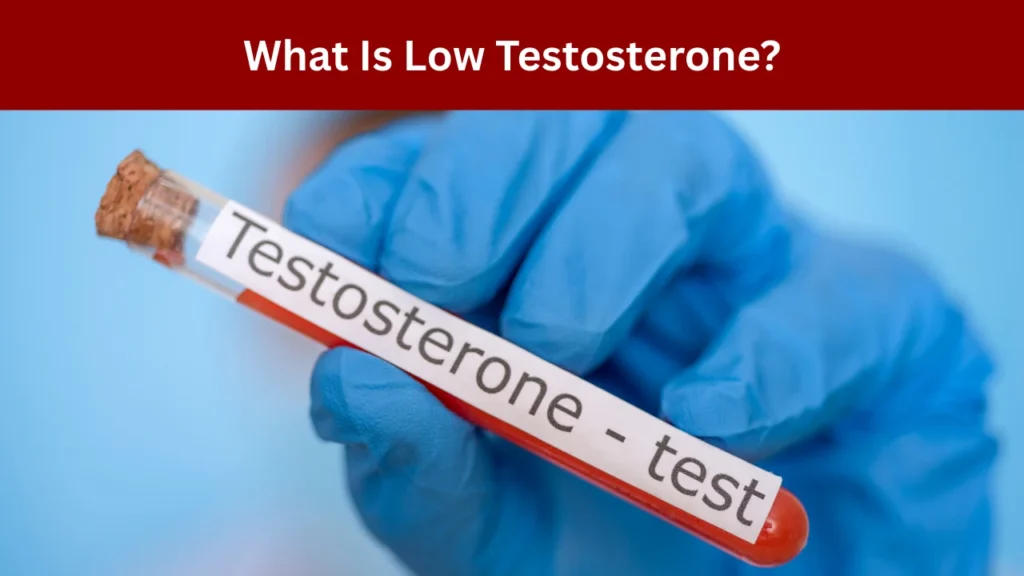
Low testosterone, often called “low T,” happens when your body doesn’t produce enough testosterone. This hormone plays a big role in energy, muscle growth, mood, and libido for both men and women. While men naturally have higher levels, women need testosterone too, just in smaller amounts. When levels drop, it can throw things out of balance. Knowing the symptoms of low testosterone can help you catch it early and take action.
Why Testosterone Matters
Testosterone isn’t just about “manly” traits. It supports your muscles, bones, and energy levels. In men, it drives libido and sperm production. In women, it helps with sexual health, mood, and even bone strength. A dip in testosterone can lead to a cascade of symptoms that feel overwhelming. Understanding its role is the first step to recognizing low testosterone signs.
Who Can Get Low Testosterone?
You might think low testosterone only affects older men, but that’s not true. Men of all ages, including young males, can experience low testosterone symptoms. Women, especially those over 40 or after events like a hysterectomy, can also face low testosterone in women symptoms. Factors like stress, poor diet, or medical conditions can lower levels in anyone.
How Common Is It?
Low testosterone is more common than you’d think. Studies suggest about 20-25% of men over 40 have low testosterone levels. For women, it’s less studied, but hormonal imbalances are common, especially during menopause or perimenopause. Recognizing low testosterone symptoms in females is key, as it’s often overlooked.
What Causes Low Testosterone?
Several things can lead to low testosterone. Aging is a big one—levels naturally decline as you get older. Other causes include obesity, chronic stress, diabetes, or certain medications. In women, low testosterone in females symptoms can stem from menopause, ovarian issues, or surgical procedures like a hysterectomy. Knowing the cause helps guide treatment.
| Causes of Low Testosterone | Men | Women |
|---|---|---|
| Aging | Common after 40 | Common during menopause |
| Obesity | Increases risk | Increases risk |
| Chronic Illness | Diabetes, thyroid issues | PCOS, adrenal disorders |
| Surgery/Medications | Testicular injury, chemo | Hysterectomy, birth control |
| Lifestyle Factors | Poor diet, lack of sleep | Stress, lack of exercise |
I learned the hard way that ignoring stress and poor sleep can tank your hormones. It’s like your body’s screaming for a break, but you keep pushing.
Low Testosterone Symptoms in Men
Men often notice low testosterone symptoms when something feels “off” in their daily life. These signs can creep up slowly, making them easy to dismiss. Let’s break down the most common symptoms of low testosterone in men so you can spot them early.
Fatigue and Low Energy
Feeling drained all the time? Low testosterone can sap your energy, leaving you sluggish even after a good night’s sleep. You might struggle to get through workouts or even daily tasks. This isn’t just “getting older”—it could be a sign of low testosterone levels.
Low Libido and Sexual Issues
A drop in sex drive is one of the hallmark signs of low testosterone in men. You might feel less interested in intimacy or struggle with erectile dysfunction. It’s tough to talk about, but it’s a common symptom that can be addressed with the right approach.
Mood Swings and Irritability
Ever feel like you’re on an emotional rollercoaster? Low testosterone can cause mood swings, irritability, or even depression. You might snap at small things or feel unmotivated. These low testosterone symptoms men often experience can strain relationships if ignored.
Muscle Loss and Weight Gain
Struggling to maintain muscle despite working out? Low testosterone can lead to muscle loss and increased body fat, especially around the belly. It’s frustrating when your hard work at the gym doesn’t pay off, and low T could be the culprit.
Hair Loss and Skin Changes
Low testosterone hair loss is another sign to watch for. You might notice thinning hair on your head or less body hair. Some men also experience dry skin or changes in skin texture, which can be linked to hormonal imbalances.
Here’s a tip I always give beginners: If you’re feeling off in multiple areas—like energy, mood, and strength—don’t brush it off. Get your testosterone levels checked.
Low Testosterone Symptoms in Women
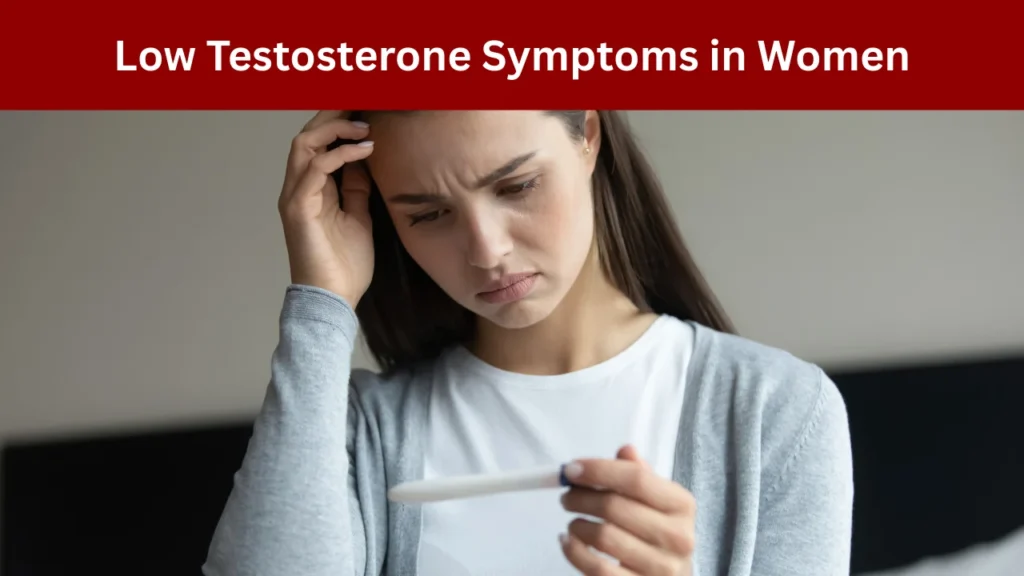
Yes, women can have low testosterone too, and the symptoms can be just as disruptive. Low testosterone symptoms in women are often mistaken for other issues, like stress or menopause. Let’s explore what to look for and how it impacts you.
Fatigue and Lack of Energy
Just like men, women with low testosterone often feel exhausted. You might wake up tired or struggle to stay active. Symptoms of low testosterone in females can make daily tasks feel like climbing a mountain, even if you’re eating well and sleeping enough.
Decreased Libido
Low testosterone in women symptoms often includes a drop in sexual desire. You might feel less interested in intimacy or have trouble with arousal. This can be especially common after menopause or a hysterectomy, when testosterone levels naturally dip.
Mood Changes and Anxiety
Feeling moody or anxious for no clear reason? Low testosterone can mess with your emotional balance. Symptoms low testosterone women experience might include irritability, sadness, or even brain fog, making it hard to focus.
Weight Gain and Muscle Weakness
Struggling with stubborn weight gain, especially around the midsection? Low testosterone symptoms for women can include difficulty building or keeping muscle. You might feel weaker or notice your workouts aren’t as effective as they used to be.
Bone Health and Hair Changes
Low testosterone in females symptoms can affect your bones, increasing the risk of osteoporosis. You might also notice thinning hair or changes in hair growth patterns. These signs are especially common in women over 40 or post-hysterectomy.
| Low Testosterone Symptoms Comparison | Men | Women |
|---|---|---|
| Fatigue | Common | Common |
| Low Libido | Frequent | Frequent |
| Mood Swings | Common | Common |
| Weight Gain | Belly fat | Midsection fat |
| Hair Loss | Scalp, body | Scalp, facial hair changes |
In my experience, women often overlook low testosterone because it’s not talked about as much. But those subtle changes in energy or mood? They’re worth checking out.
Causes of Low Testosterone
Understanding what’s behind low testosterone can help you address it. The causes vary by gender and lifestyle, but many overlap. Let’s dig into the most common reasons for low testosterone levels.
Aging and Hormonal Decline
As you age, testosterone naturally declines. For men, this often starts after 40. For women, menopause or perimenopause can trigger symptoms of low testosterone in women over 40. It’s a normal part of aging, but it doesn’t mean you have to live with the symptoms.
Lifestyle and Stress
Poor diet, lack of exercise, and chronic stress can tank your testosterone. Eating too many processed foods or skipping sleep doesn’t help either. For women, low testosterone symptoms after hysterectomy are common due to surgical changes in hormone production.
Medical Conditions
Conditions like diabetes, obesity, or thyroid issues can lower testosterone. In men, testicular injuries or infections can play a role. For women, polycystic ovary syndrome (PCOS) or adrenal disorders can cause low testosterone in females symptoms.
Medications and Treatments
Certain medications, like opioids or chemotherapy, can reduce testosterone. In women, birth control pills or hormone therapies can sometimes disrupt levels, leading to symptoms of low testosterone in women. Always talk to your doctor about side effects.
Environmental Factors
Exposure to toxins, like pesticides or plastics, can mess with your hormones. These “endocrine disruptors” are sneaky and can contribute to low testosterone causes in both men and women. Limiting exposure where possible can help.
Diagnosing Low Testosterone
Wondering, “Do I have low testosterone?” Getting a proper diagnosis is key. Here’s how doctors figure out if low testosterone is behind your symptoms.
Blood Tests for Testosterone
A simple blood test measures your testosterone levels. For men, normal levels range from 300-1,000 ng/dL. For women, it’s much lower, around 15-70 ng/dL. Low testosterone diagnosis often involves multiple tests to confirm.
Symptom Evaluation
Your doctor will ask about symptoms of low testosterone, like fatigue, low libido, or mood changes. Be honest about what you’re experiencing—it helps paint the full picture. For women, mentioning symptoms low testosterone women face is crucial.
Ruling Out Other Conditions
Low testosterone symptoms can mimic other issues, like thyroid problems or depression. Your doctor might run additional tests to rule these out. This ensures you’re treating the right problem.
When to See a Doctor
If you’re noticing signs of low testosterone in men or low testosterone symptoms in females, don’t wait. Early testing can catch it before it impacts your health further. Women, especially, should speak up about female low testosterone symptoms, as they’re often misdiagnosed.
Here are five strategies to address low testosterone symptoms:
- Get Tested Early: Don’t ignore symptoms like fatigue or low libido. A blood test can confirm low testosterone levels.
- Improve Your Diet: Eat nutrient-rich foods like lean proteins, healthy fats, and vegetables to support hormone health.
- Exercise Regularly: Strength training and cardio can boost testosterone naturally. Aim for 30 minutes most days.
- Manage Stress: Practice mindfulness or yoga to lower cortisol, which can suppress testosterone production.
- Talk to a Specialist: Consult an endocrinologist for personalized low testosterone treatment options.
Also Read: Coffee and Fertility
Treatment Options for Low Testosterone
Once you’ve got a diagnosis, what’s next? Low testosterone treatment can help you feel like yourself again. Here’s what you need to know about your options.
Testosterone Replacement Therapy
Testosterone replacement therapy (TRT) is a common treatment for low testosterone in men. It comes in gels, injections, or patches. For women, low-dose TRT can help with low testosterone in women symptoms, but it’s less common and requires careful monitoring.
Natural Testosterone Boosters
Lifestyle changes can make a big difference. Eating foods rich in zinc and vitamin D, like eggs or salmon, supports testosterone production. Regular exercise, especially weightlifting, can also help. These are great first steps for mild cases.
Medications and Supplements
Some doctors prescribe low testosterone medicine, like clomiphene, to stimulate hormone production. Supplements like DHEA or zinc might help, but talk to your doctor first. Not all supplements are safe or effective.
Addressing Underlying Causes
If a condition like diabetes or obesity is causing low testosterone, treating that can help. For women, managing PCOS or post-hysterectomy changes can reduce symptoms of low testosterone after hysterectomy. A holistic plan works best.
Potential Risks of Treatment
TRT isn’t without risks. It can increase the risk of heart issues or prostate problems in men. For women, it might cause unwanted hair growth or voice changes. Always weigh the pros and cons with your doctor.
| Low Testosterone Treatment Options | Pros | Cons |
|---|---|---|
| Testosterone Replacement Therapy | Fast symptom relief | Potential side effects |
| Natural Boosters (Diet, Exercise) | Safe, sustainable | Slower results |
| Medications (e.g., Clomiphene) | Stimulates natural production | May not work for all |
| Supplements (Zinc, DHEA) | Easy to access | Unregulated, mixed results |
I learned the hard way that jumping into TRT without lifestyle changes isn’t a magic fix. Start with diet and exercise—it’s a game-changer.
Low Testosterone and High Estrogen in Men
Sometimes, low testosterone symptoms in men are paired with high estrogen levels. This imbalance can amplify symptoms and create unique challenges.
Symptoms of High Estrogen
High estrogen in men can cause weight gain, breast tissue growth (gynecomastia), and even more fatigue. Combined with symptoms of low testosterone and high estrogen in men, it can feel overwhelming. You might notice emotional sensitivity or reduced muscle mass.
Causes of Hormonal Imbalance
Obesity, certain medications, or even alcohol can raise estrogen while lowering testosterone. Aging also shifts the balance, as testosterone converts to estrogen more readily. Addressing both hormones is key to feeling better.
Treatment Considerations
Balancing hormones might involve TRT, lifestyle changes, or medications to lower estrogen. Diet tweaks, like cutting processed foods, can help. Always work with a doctor to avoid complications.
FAQs About Low Testosterone Symptoms
What are the symptoms of low testosterone in women?
Low testosterone in women symptoms include fatigue, low libido, mood swings, weight gain, and muscle weakness. These are often mistaken for menopause or stress.
Can young males have low testosterone?
Yes, low testosterone symptoms in young males can occur due to stress, poor lifestyle, or medical conditions like diabetes or testicular issues.
How do I know if I have low testosterone?
If you’re experiencing signs of low testosterone, like tiredness, low sex drive, or mood changes, get a blood test to check your levels.
What causes low testosterone in females?
Low testosterone in females symptoms can stem from menopause, hysterectomy, PCOS, or lifestyle factors like stress or poor diet.
Is low testosterone treatment safe?
Treatments like TRT can help, but they carry risks like heart issues or side effects. Always consult a doctor for a tailored plan.
Can lifestyle changes boost testosterone?
Yes, exercise, a healthy diet, stress management, and good sleep can naturally improve low testosterone levels in both men and women.
Also Read: Creatine and Hair Loss
Summary
Low testosterone symptoms can sneak into your life, whether you’re a man or a woman. From fatigue and low libido to mood swings and weight gain, these signs can disrupt your daily routine. Women, especially, might overlook low testosterone in women symptoms, mistaking them for other issues. Men face similar challenges, with low testosterone symptoms in men often tied to aging or lifestyle. The good news? You can take action with testing, lifestyle changes, or treatments like TRT. Don’t ignore the signs—talk to a doctor, make small changes, and reclaim your energy and confidence.

Dr. Max is a dedicated medical professional with extensive experience in health and wellness. His approach blends clinical expertise with the latest research, offering practical insights to help individuals lead healthier, more balanced lives.